A dog cage is a useful product for keeping your dog safe, comfortable, and well-managed at home. It gives your dog a personal space to rest, sleep, relax, and feel secure while also helping with training and daily care.
This guide will help you choose the right dog cage based on your dog’s size, breed, activity level, comfort needs, and available space at home.
Understand Why a Dog Cage Is Useful
Dogs need a safe and comfortable space where they can rest without disturbance. A dog cage can work like a personal den for your pet.
It also helps:
Support crate training
Keep your dog safe when unsupervised
Reduce destructive behaviour
Make travel easier
Create a calm resting space
Help with house training
This makes a dog cage a good choice for puppies, adult dogs, and even older dogs.
Choose the Right Size
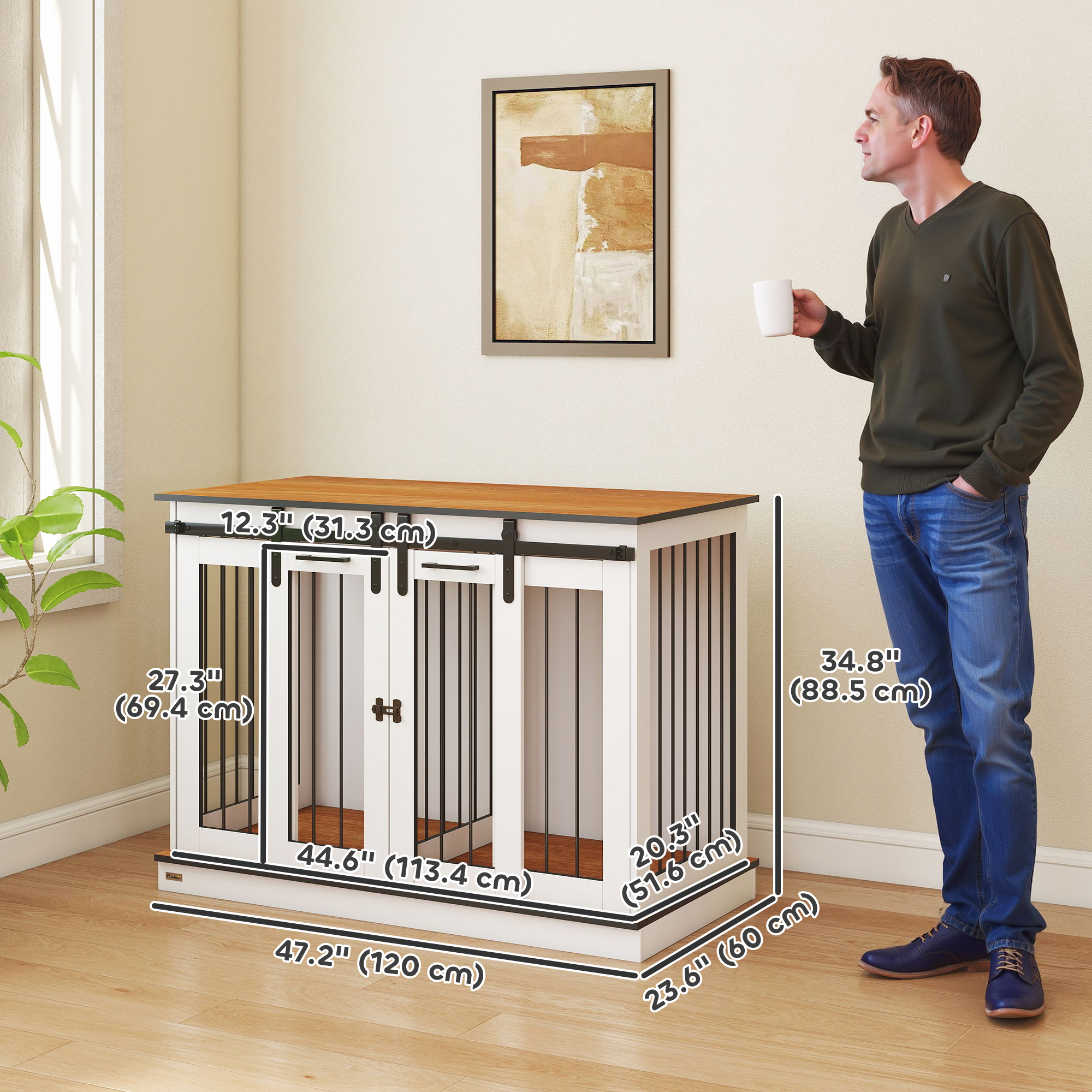
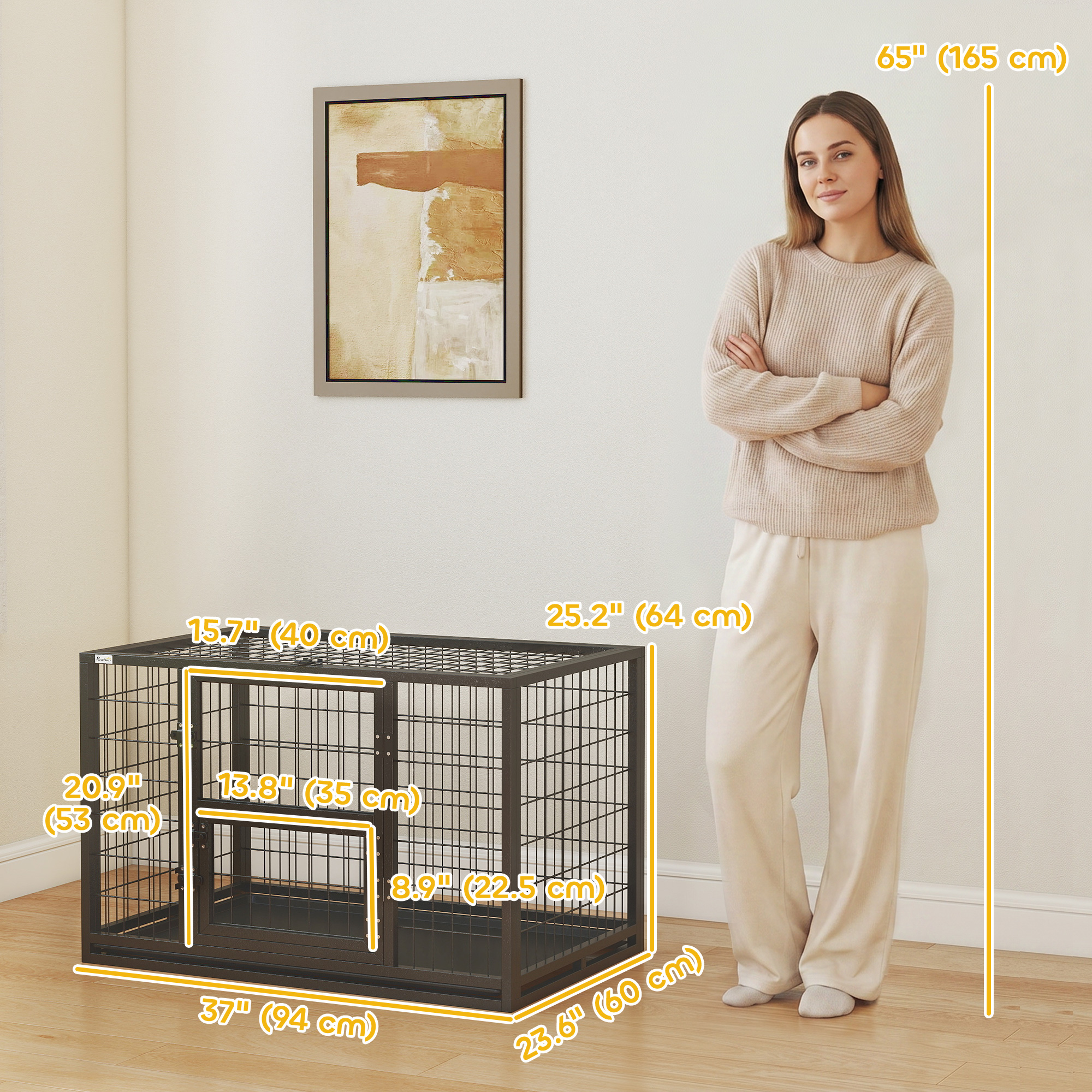
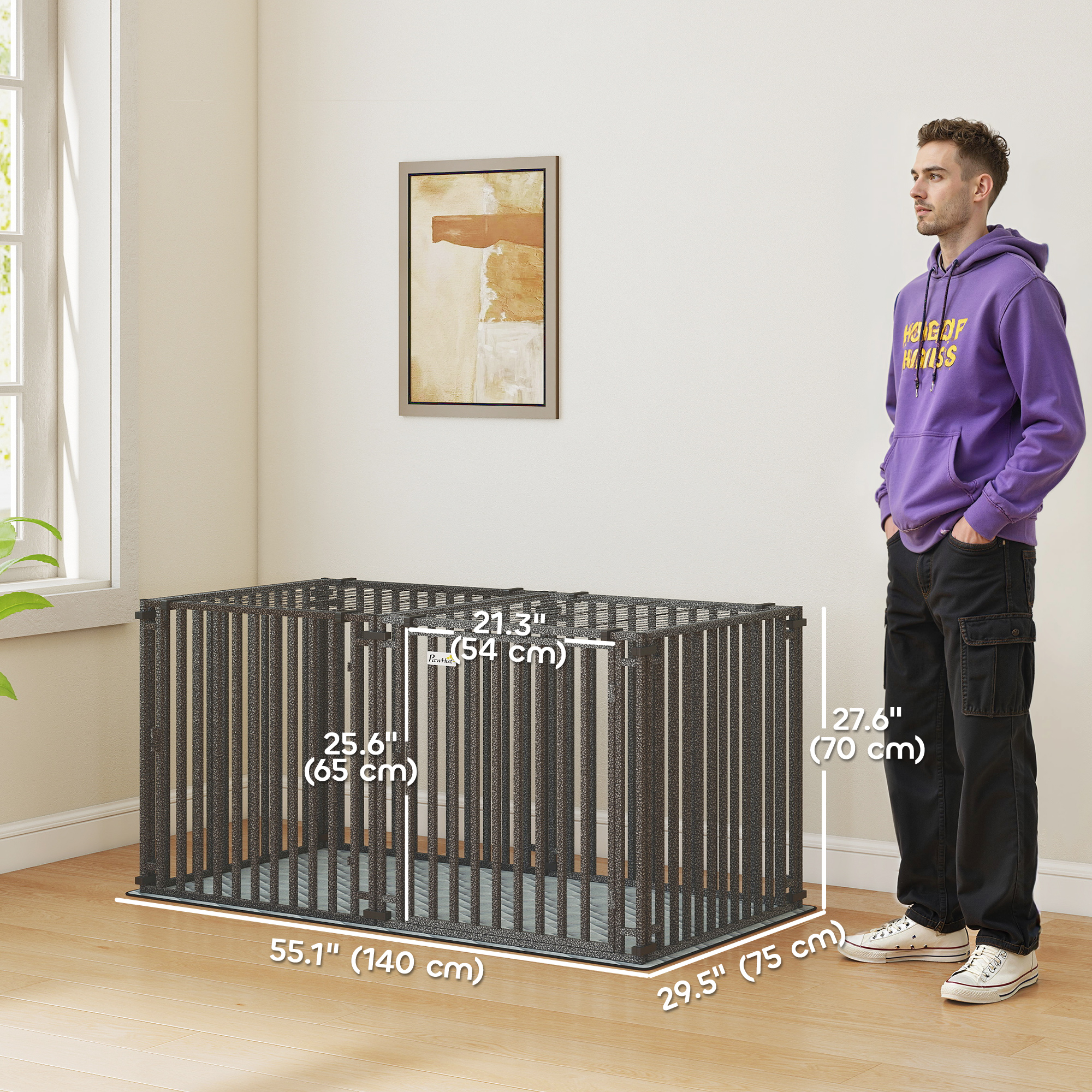
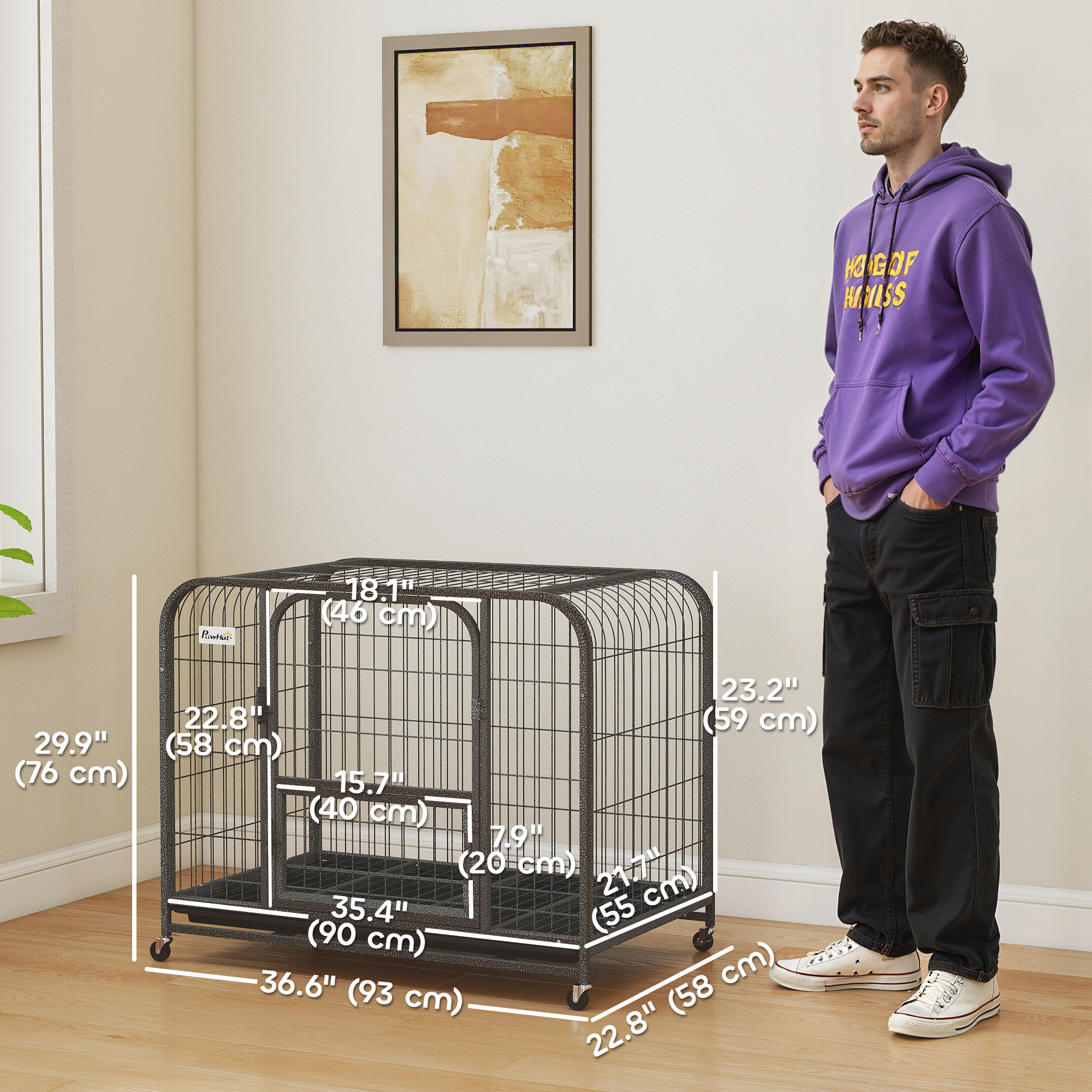
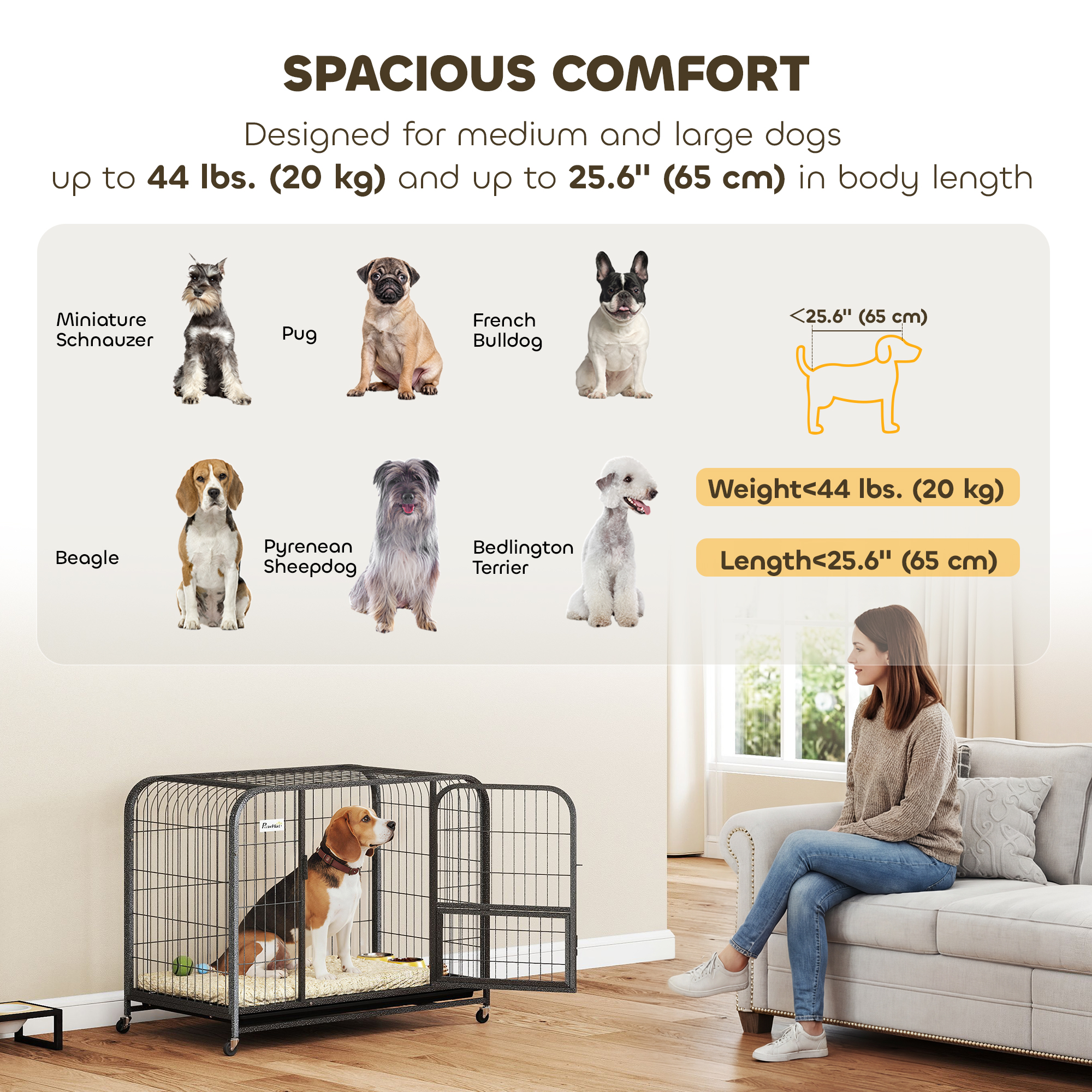
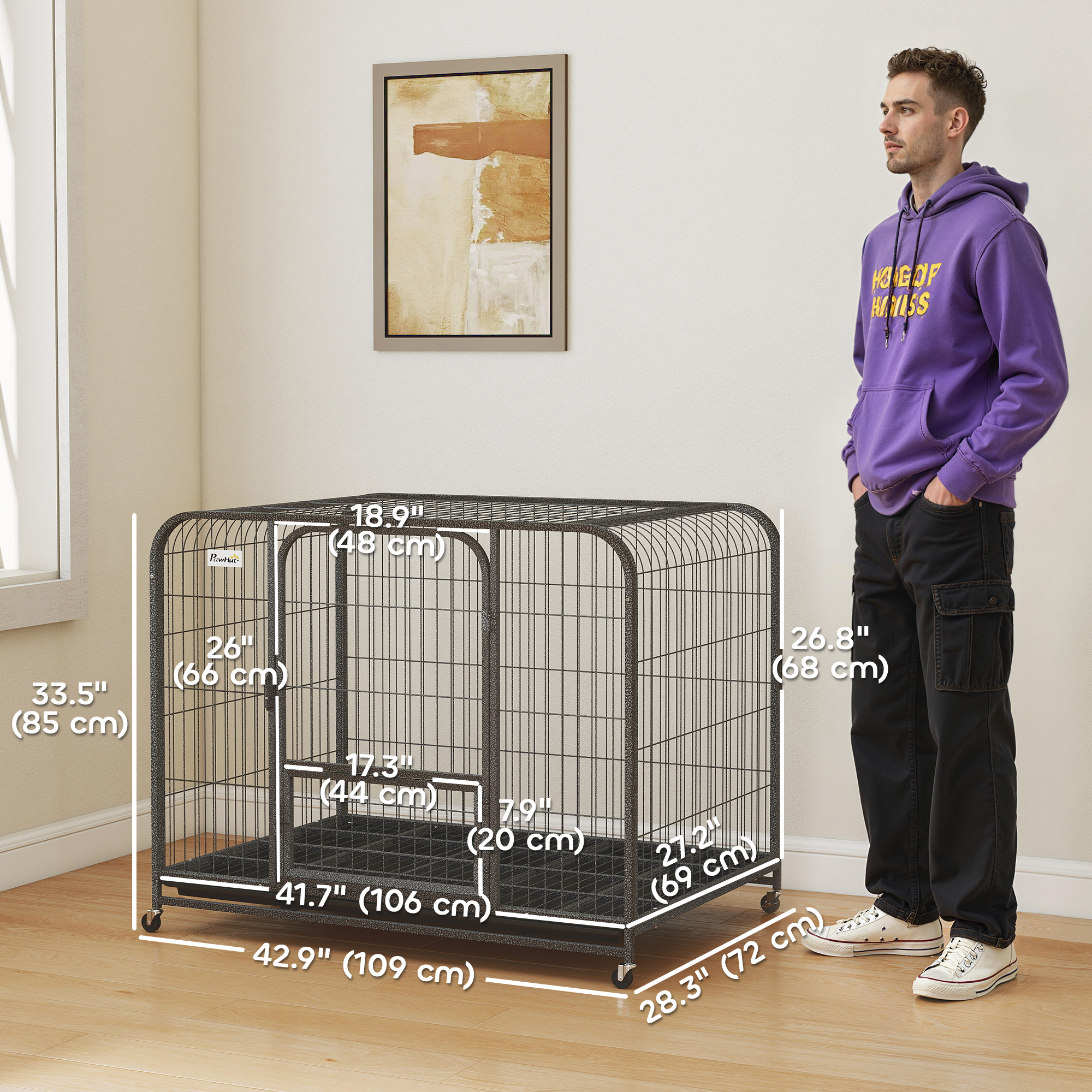
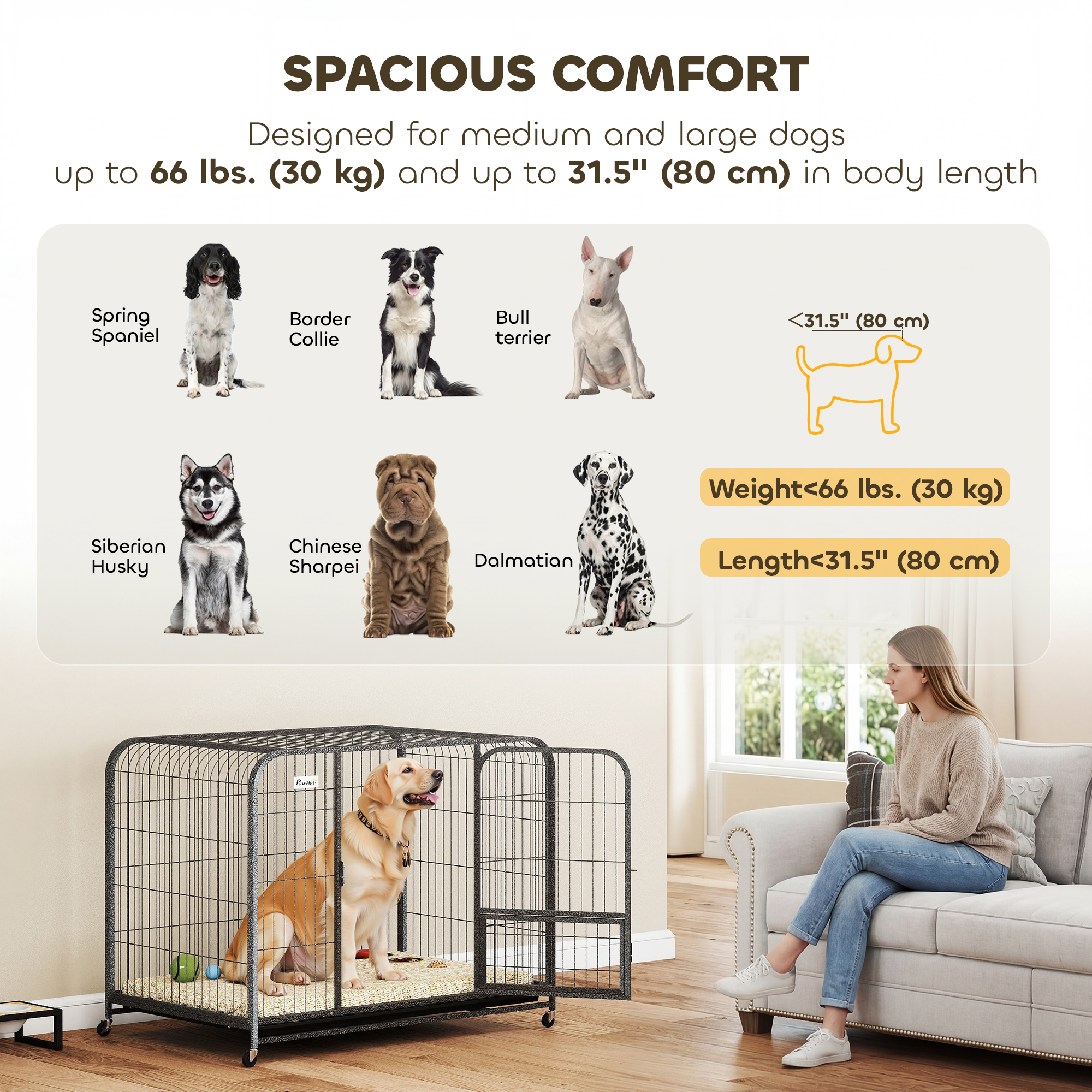
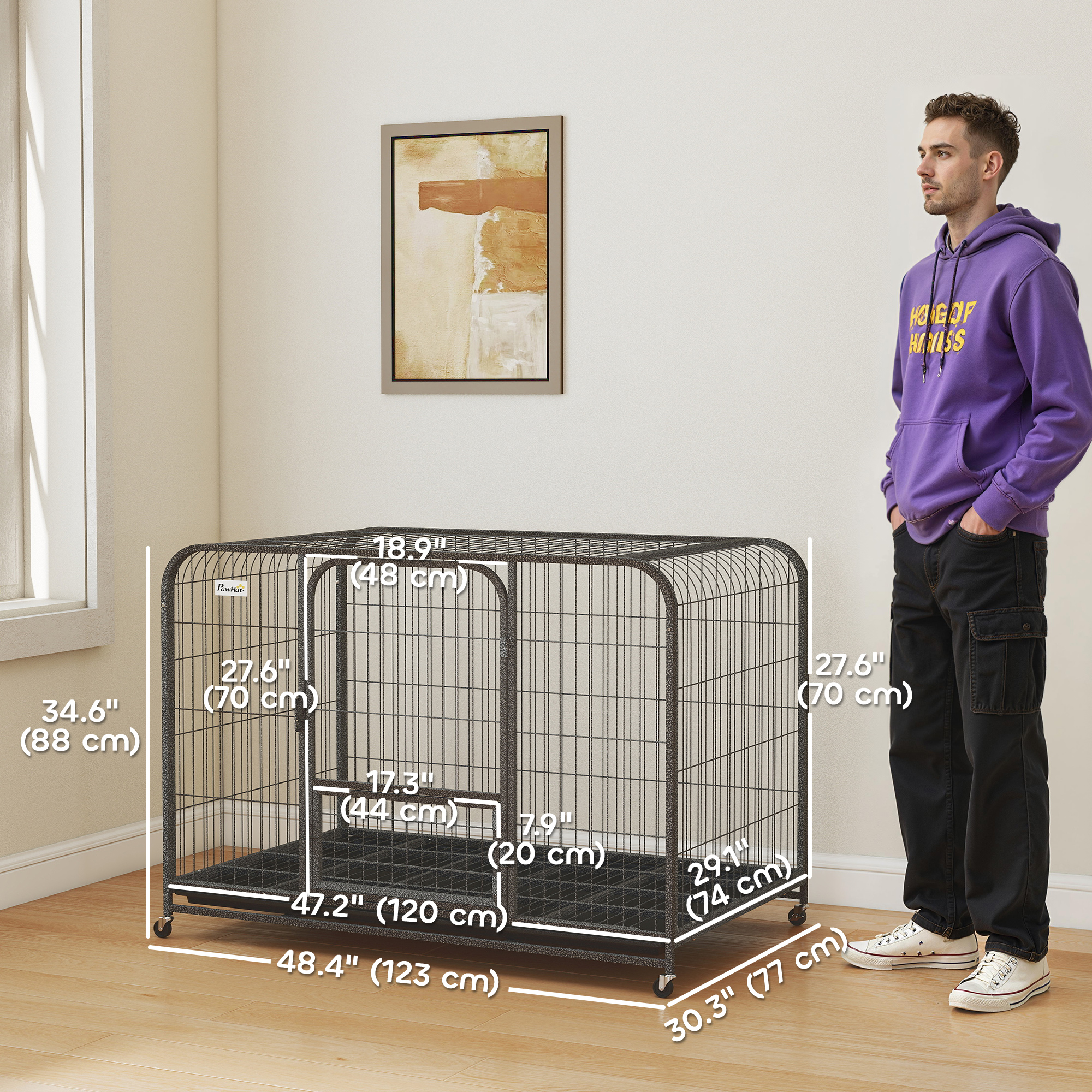
The size of the dog cage should match your dog’s body size.
Your dog should be able to:
Stand comfortably
Turn around easily
Sit without bending too much
Lie down and stretch
A cage that is too small can make your dog uncomfortable. A cage that is too large may not be ideal for training, especially for puppies.
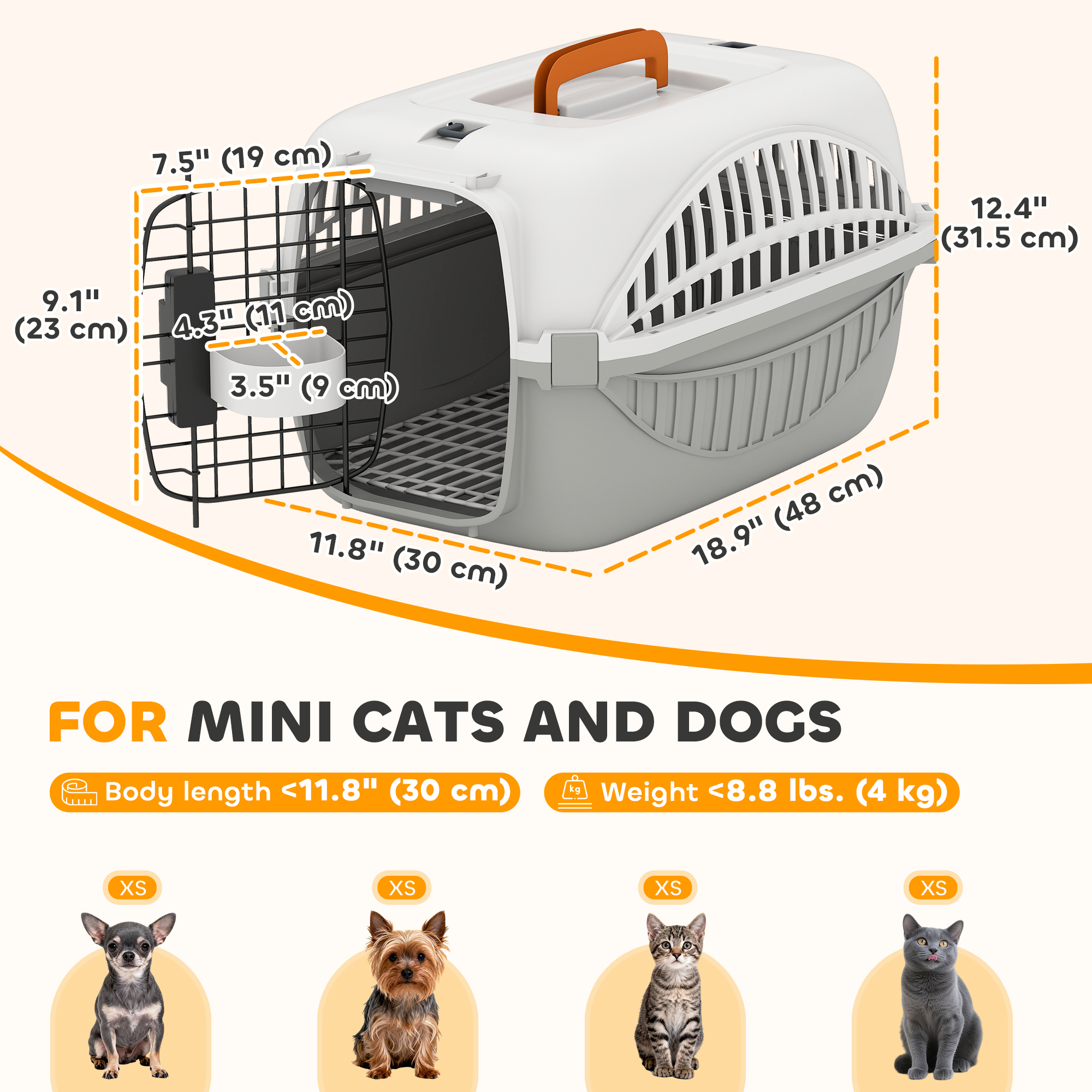
Before buying, check your dog’s height, length, and weight. Then choose a cage that gives enough space without being too oversized.
Check Your Dog’s Breed and Growth
Different dog breeds need different cage sizes.
Small breeds like Chihuahuas, Pugs, and Shih Tzus need compact cages.
Medium breeds like Beagles, Cocker Spaniels, and French Bulldogs need medium-sized cages.
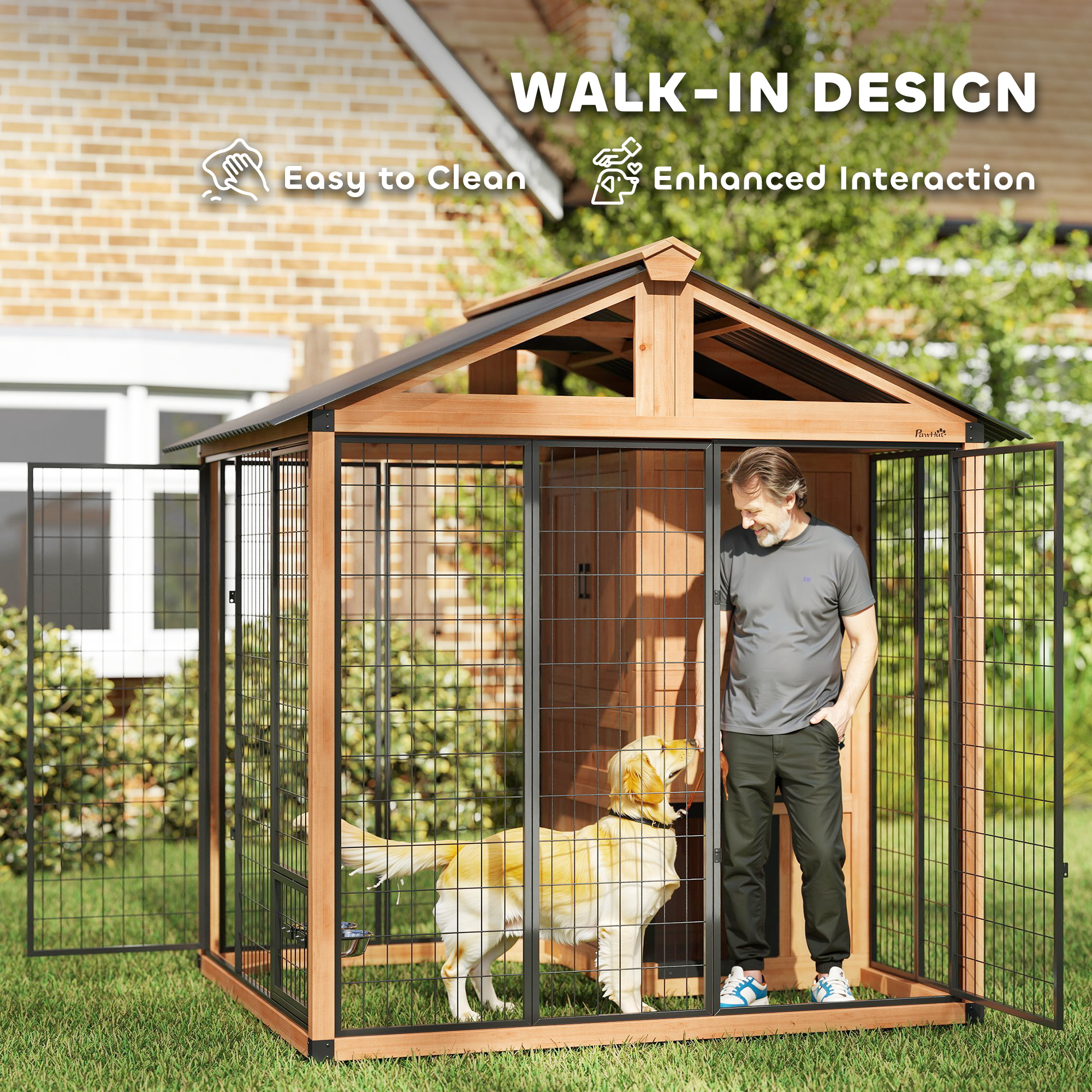
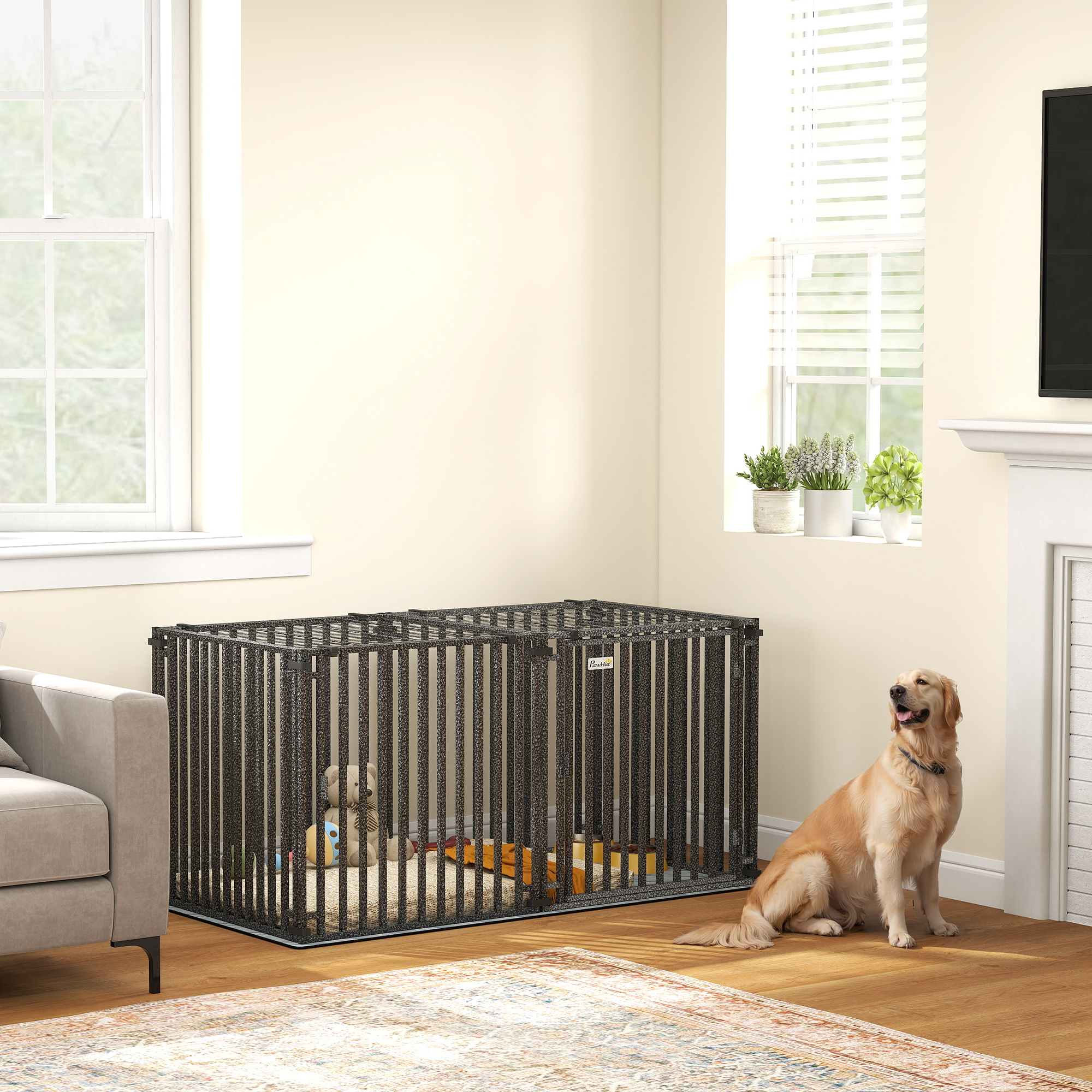
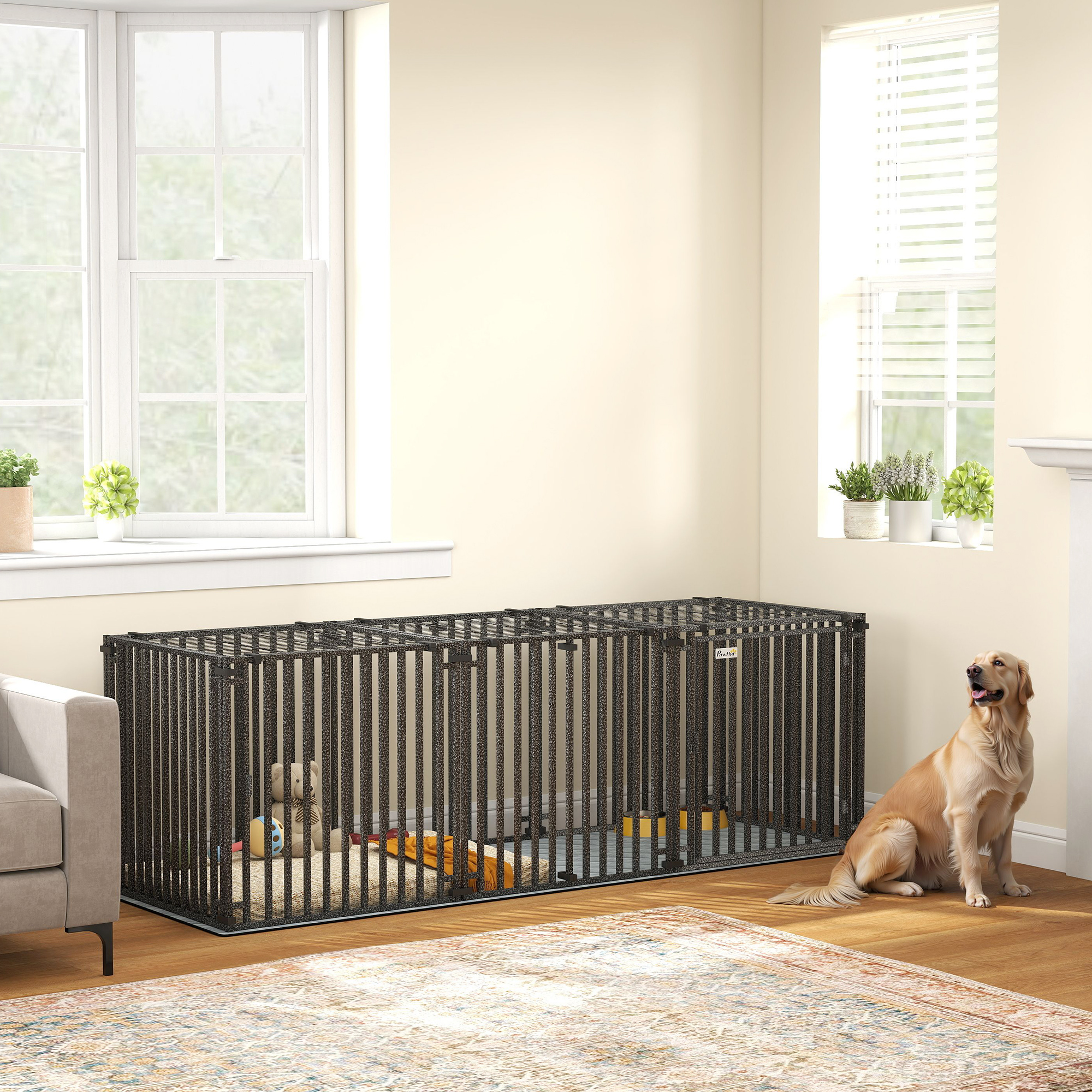
Large breeds like Labradors, German Shepherds, and Golden Retrievers need bigger and stronger cages.
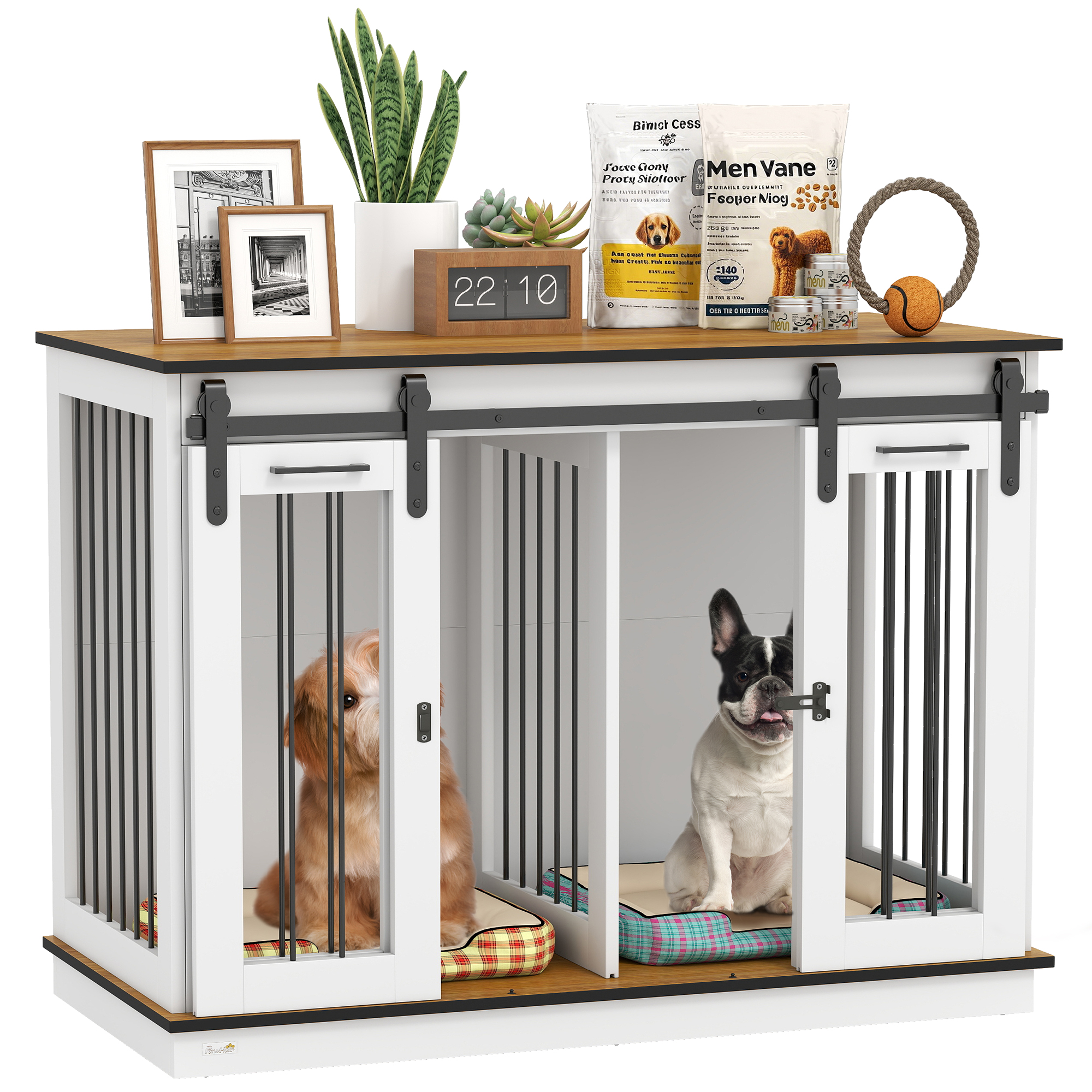
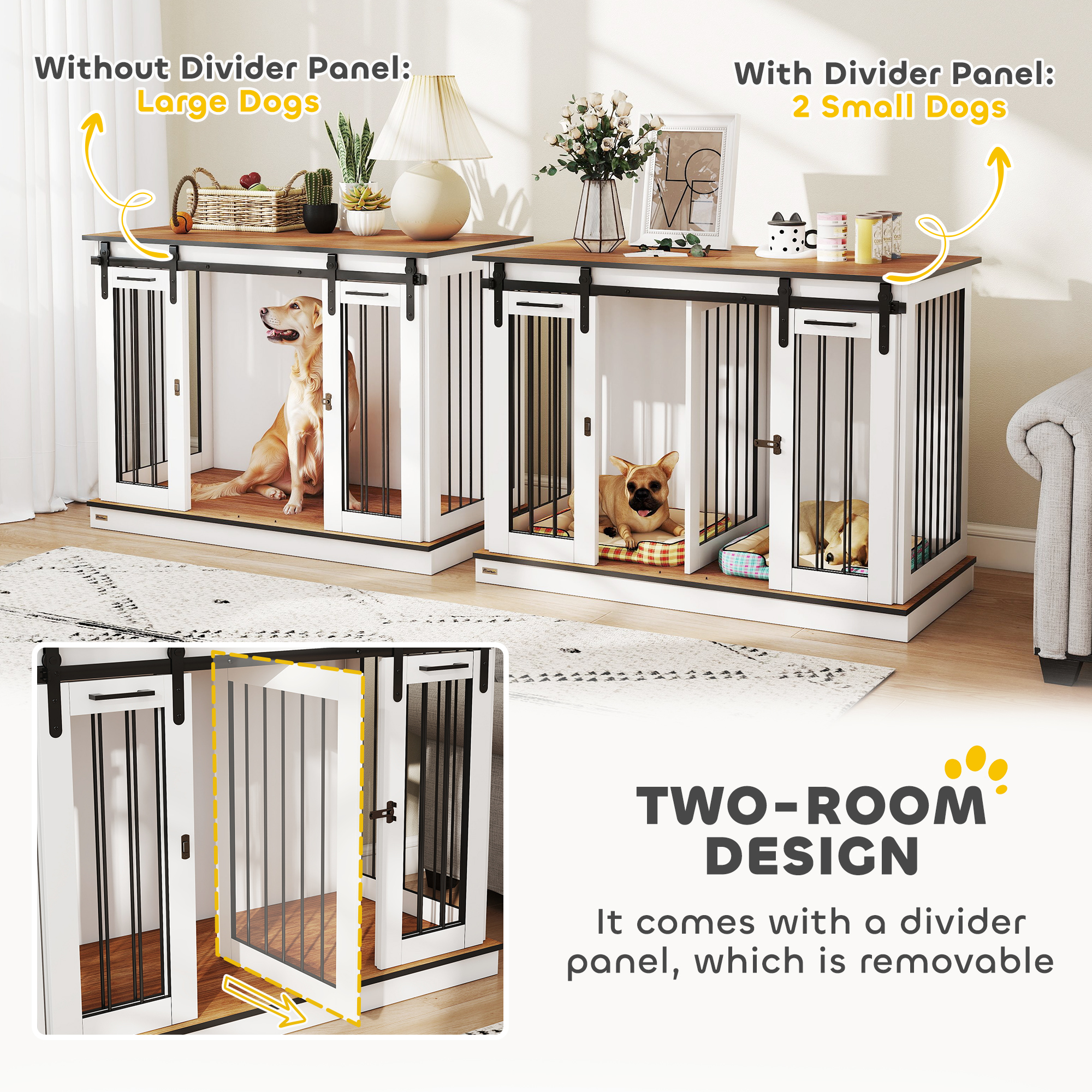
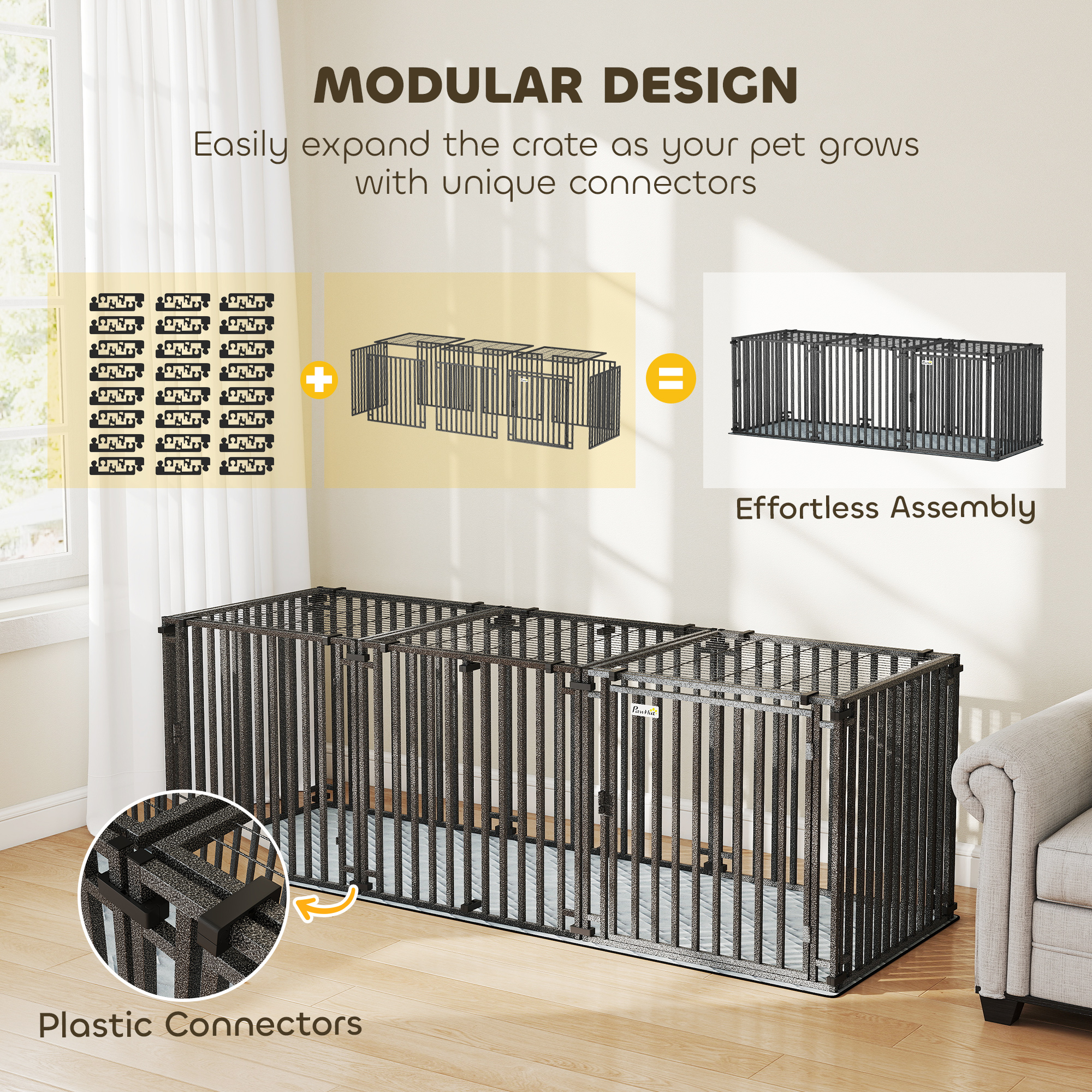
If you are buying a cage for a puppy, consider your dog’s future adult size. You can choose a larger cage with a divider so the space can grow with your dog.
Select the Right Material
Dog cages are made with different materials, and each material has its own benefits.
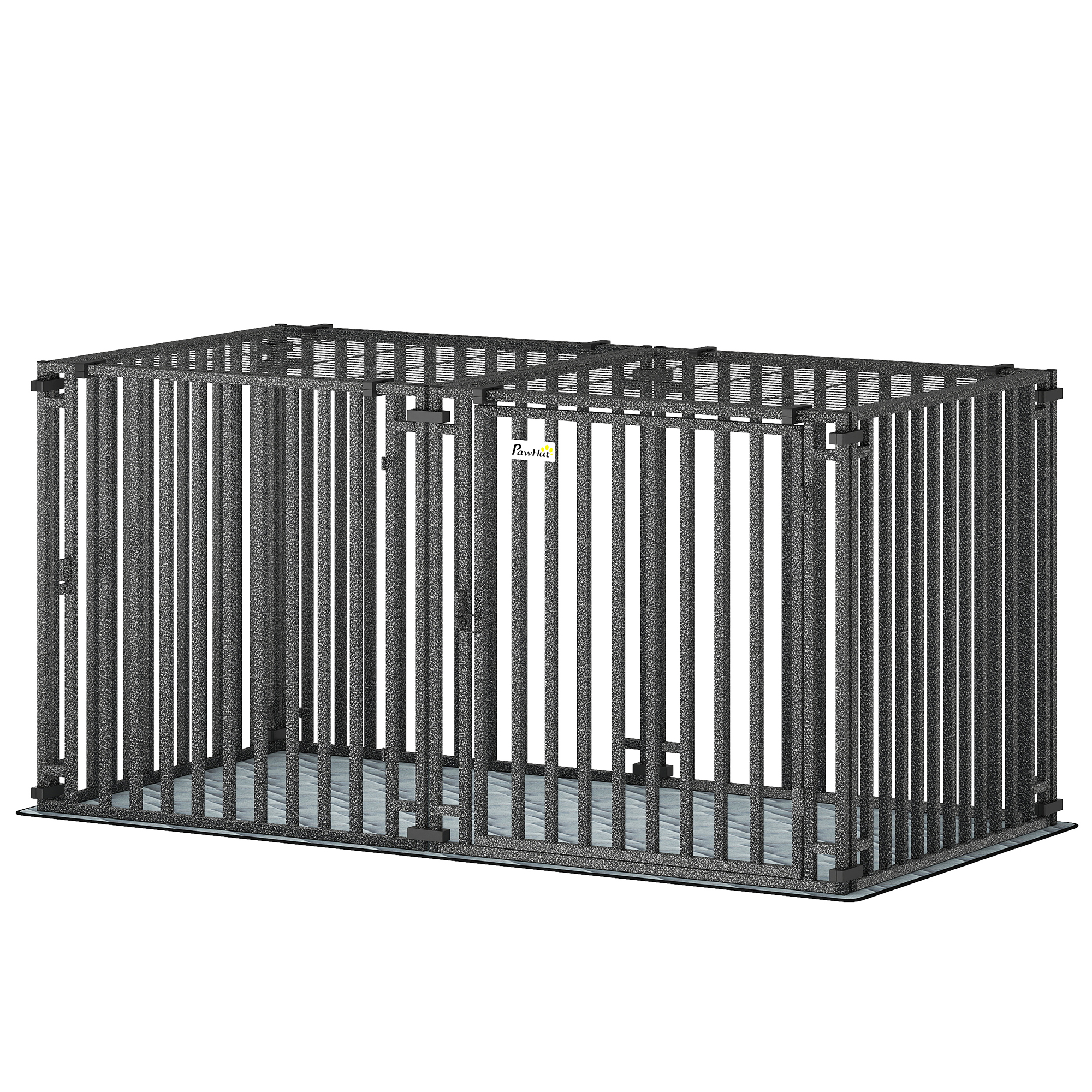
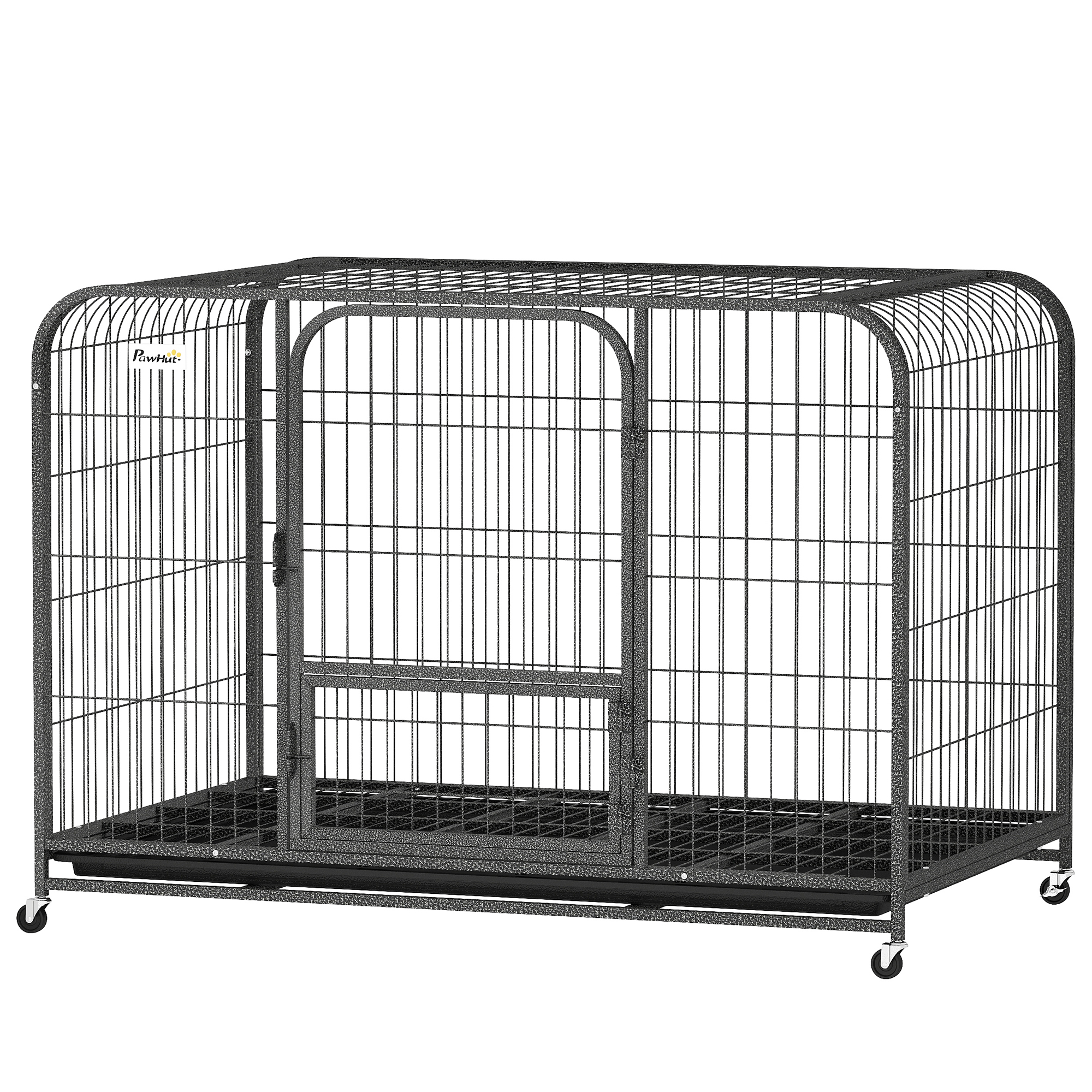
Metal wire cages are strong, breathable, and easy to clean.
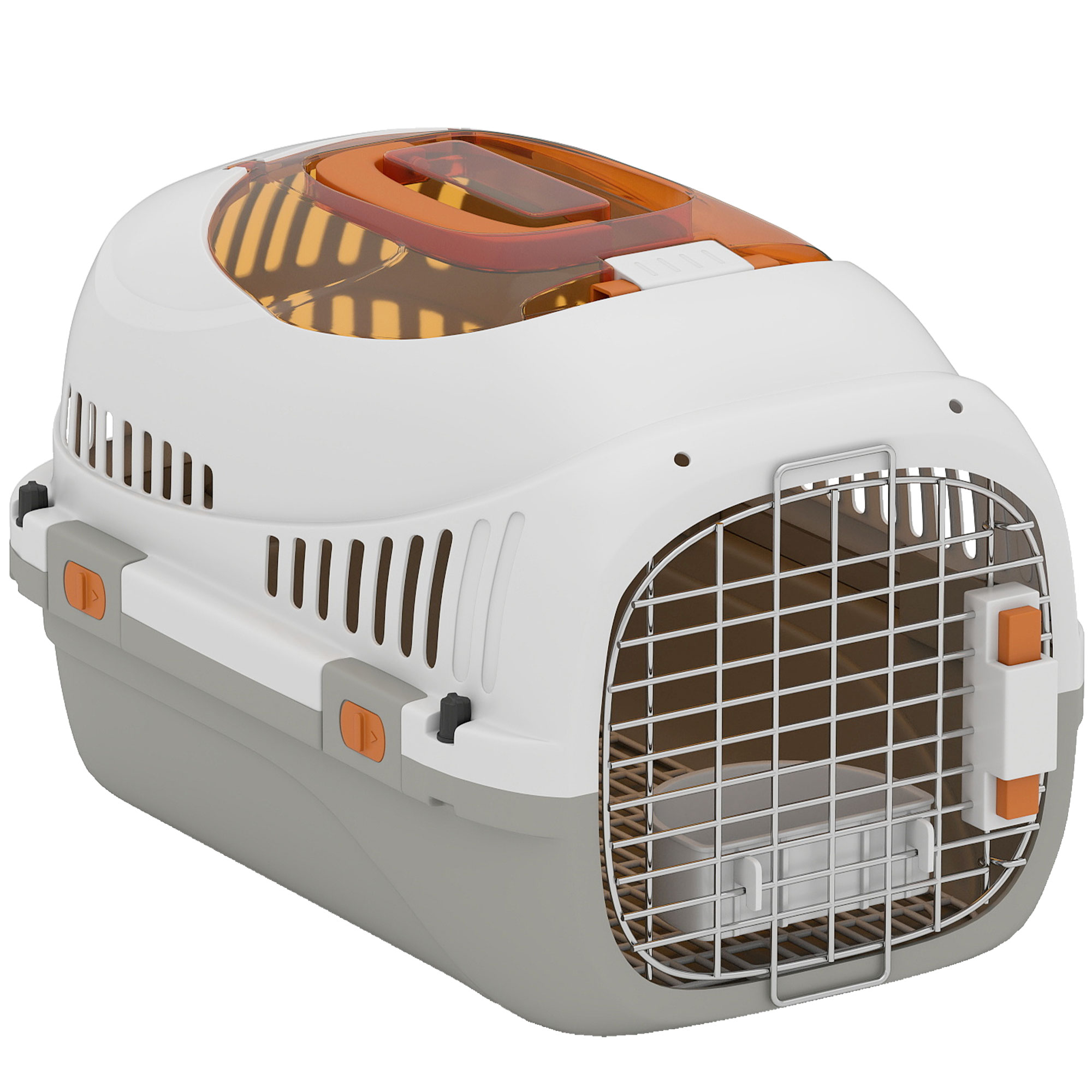
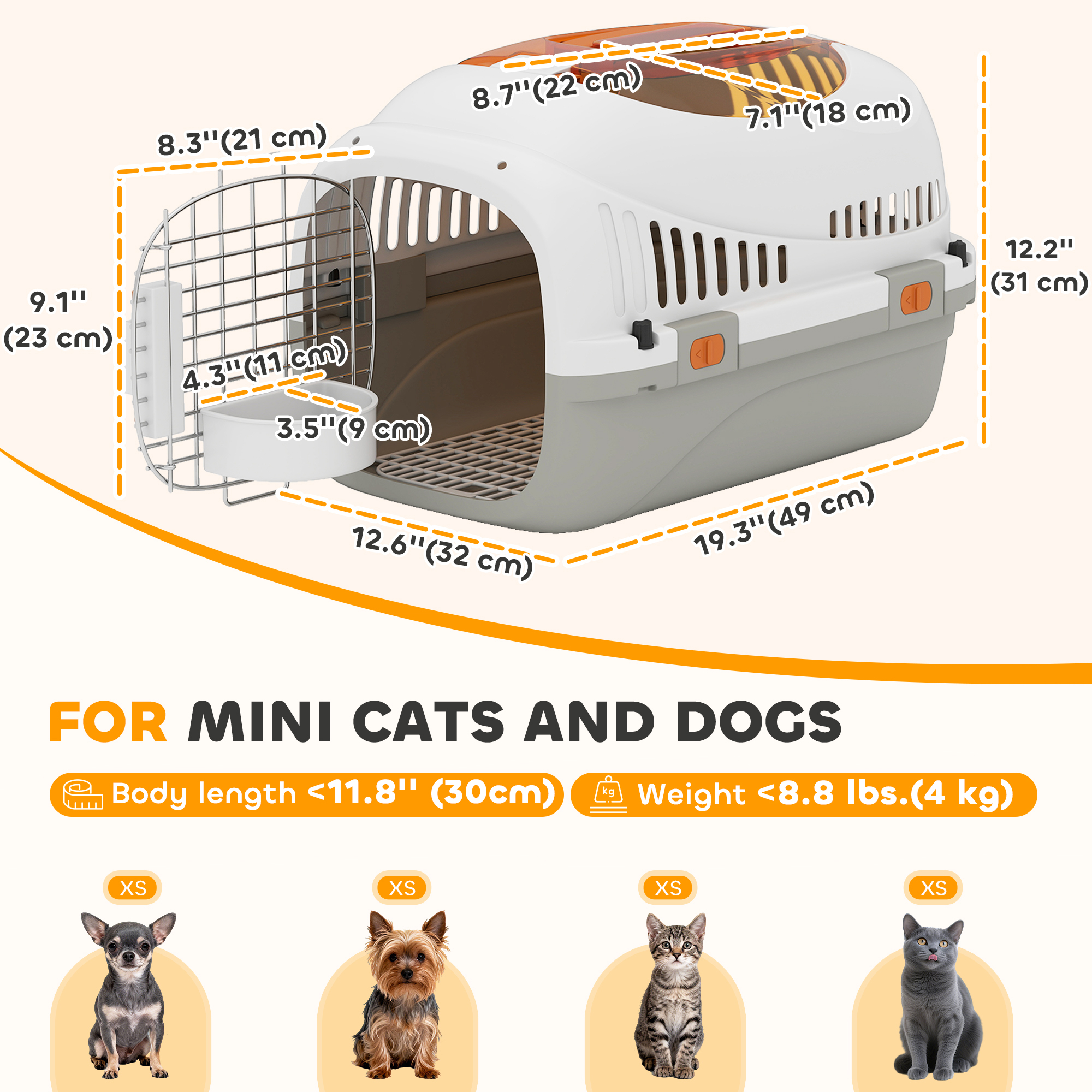
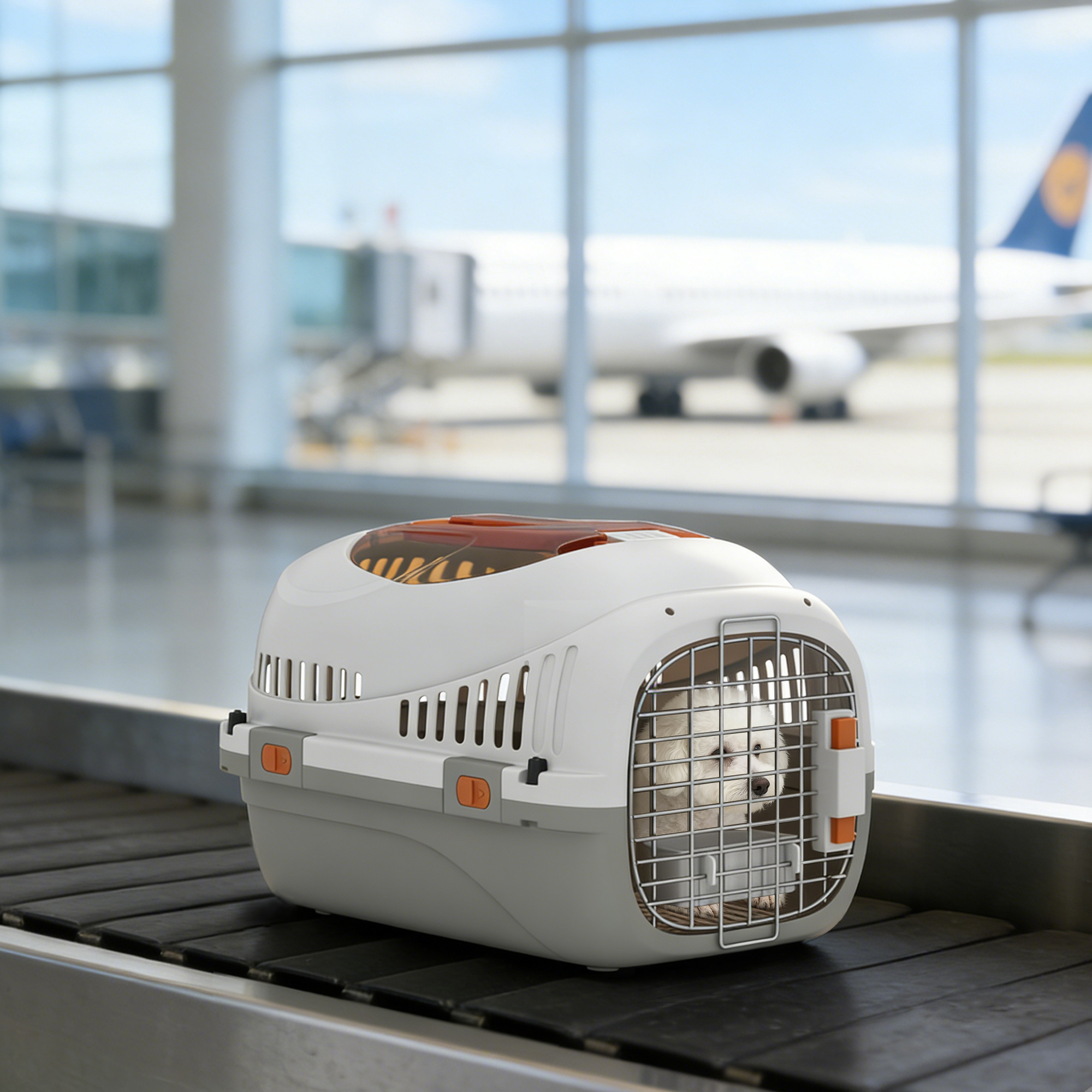
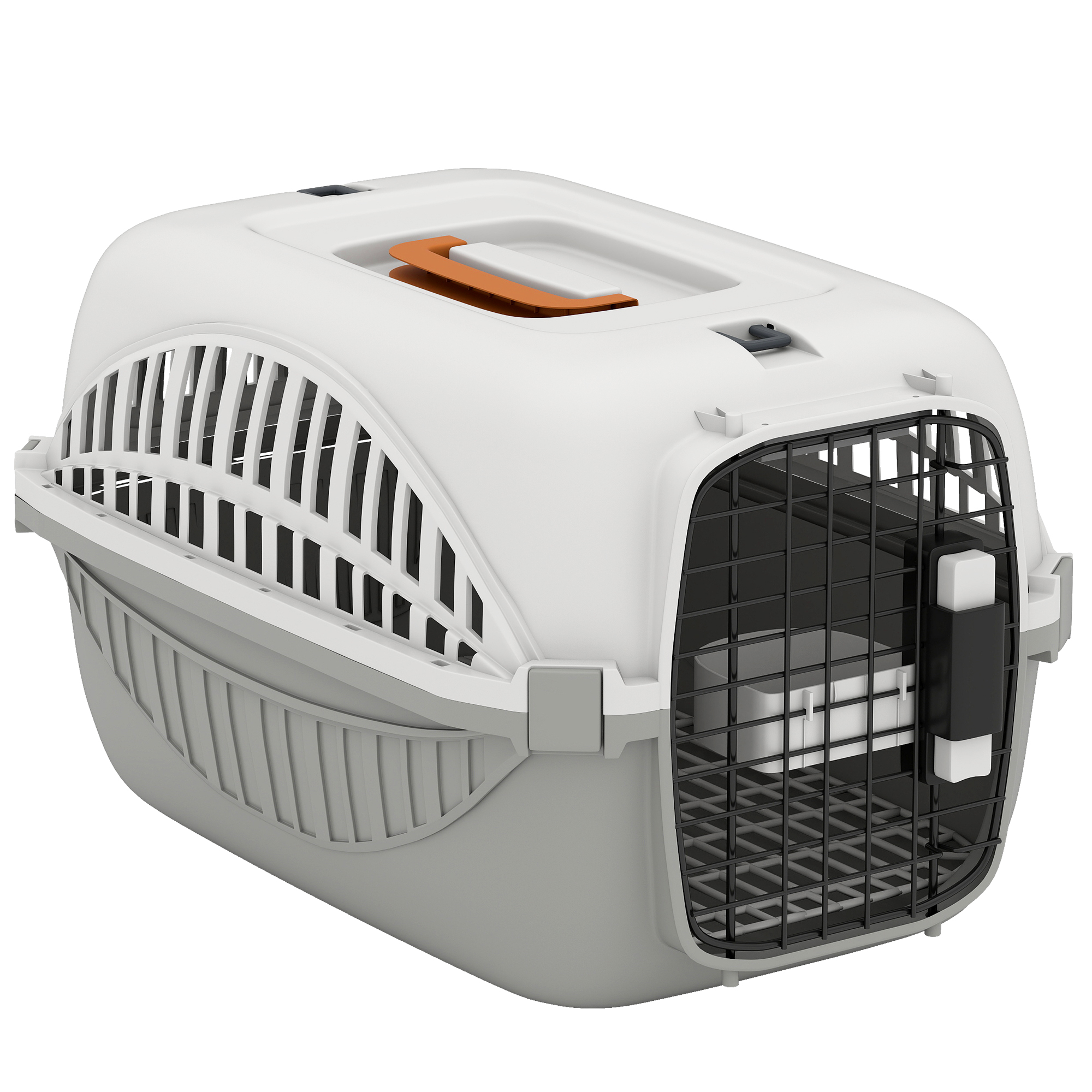
Plastic cages are lightweight and good for travel.
Soft-sided cages are easy to carry and suitable for calm dogs.
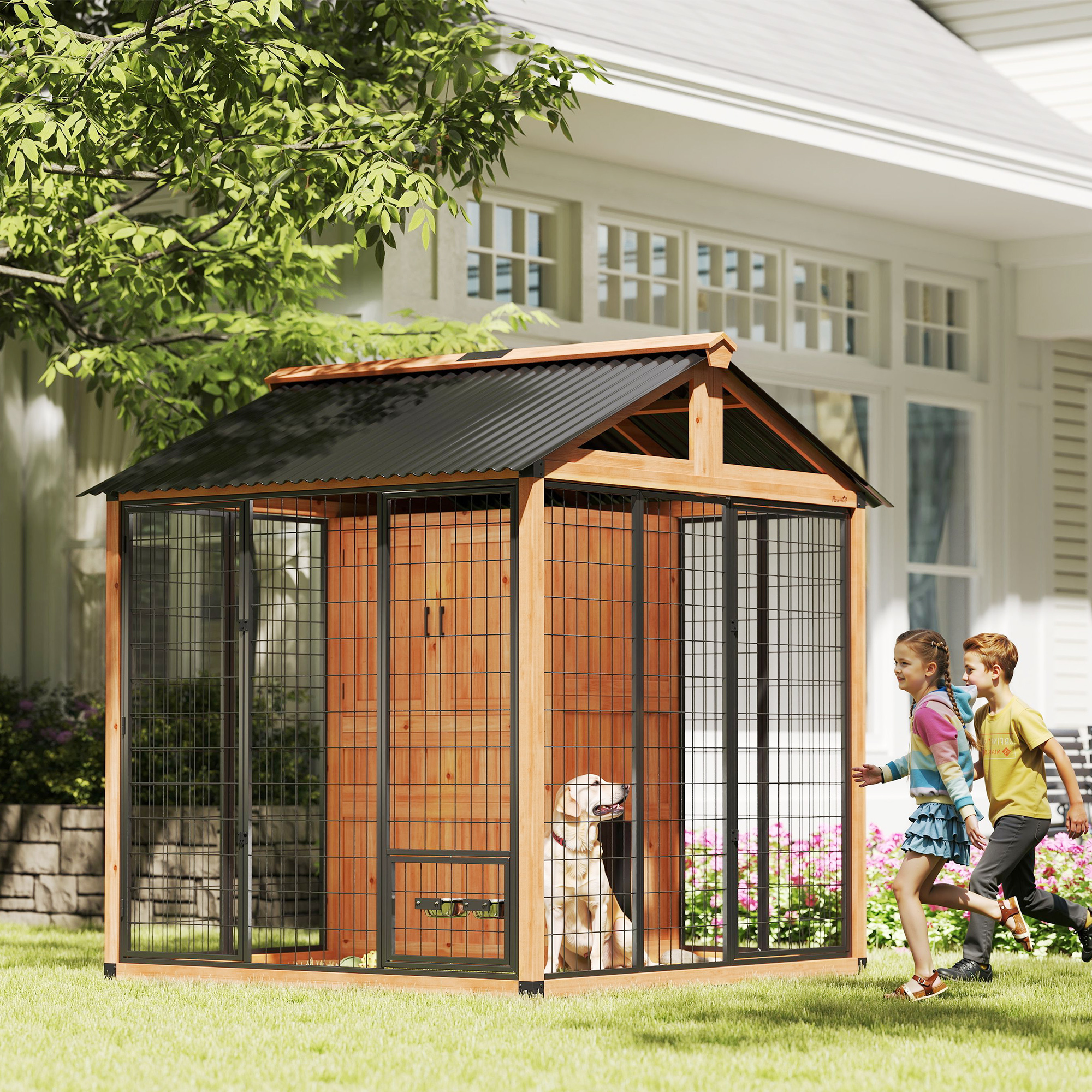
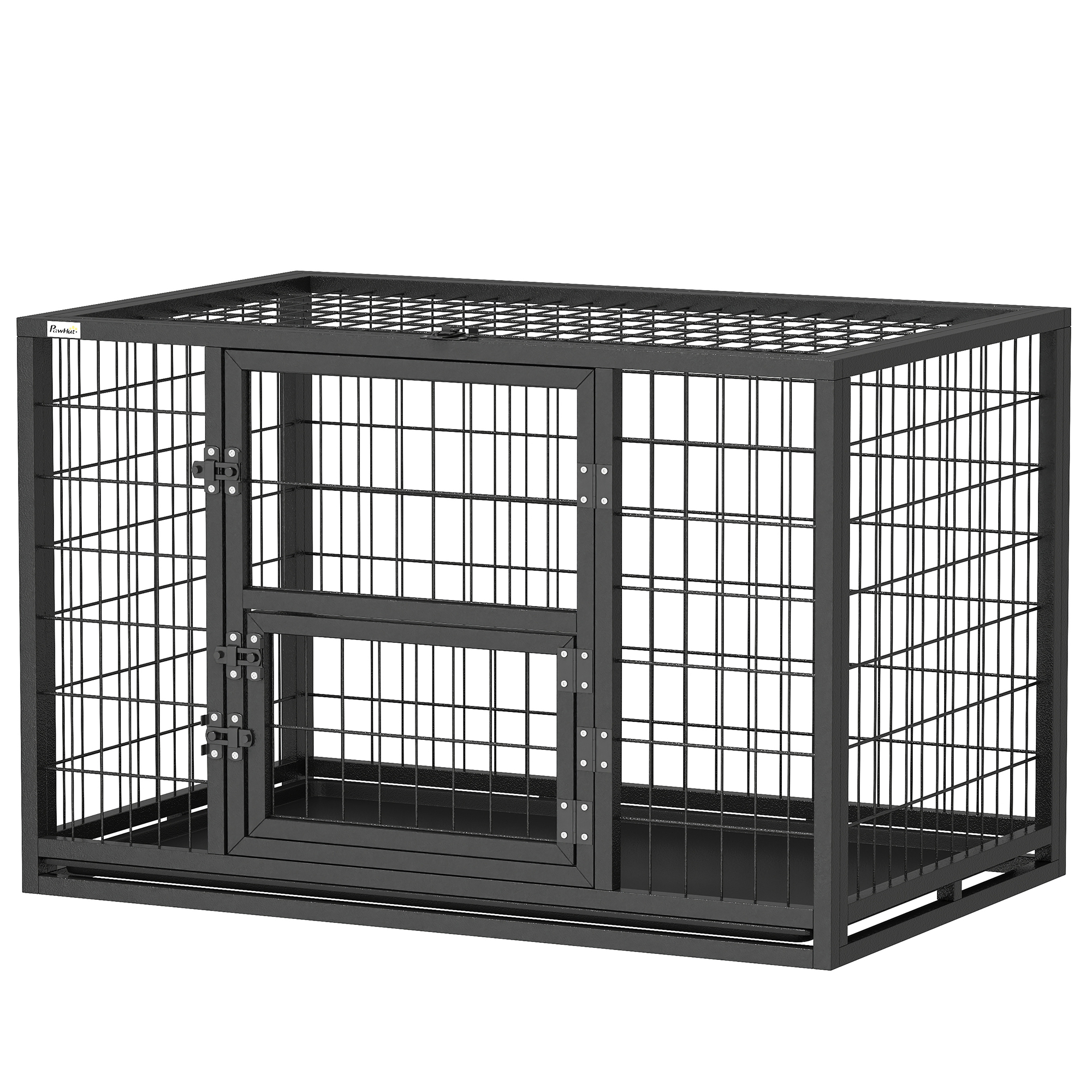
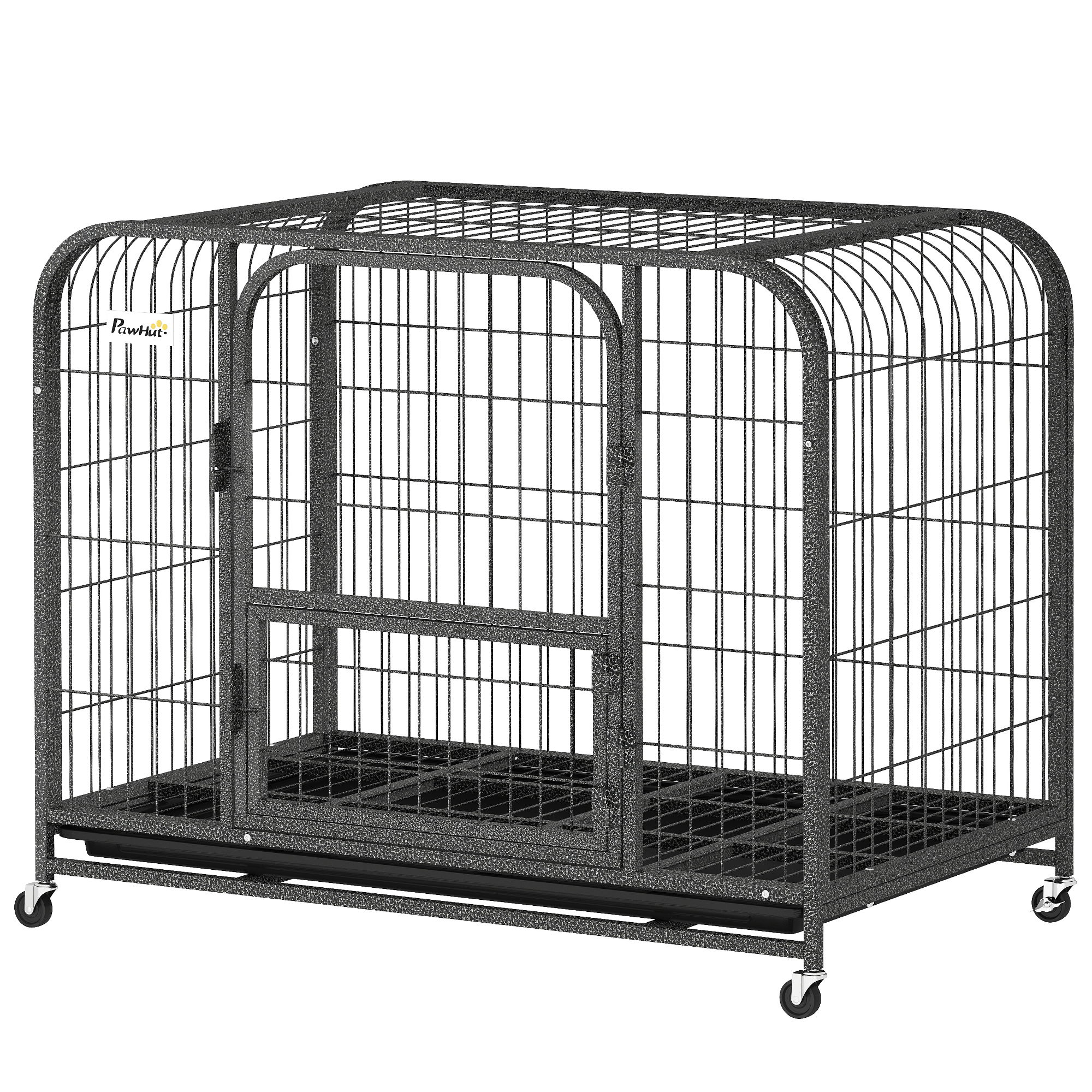
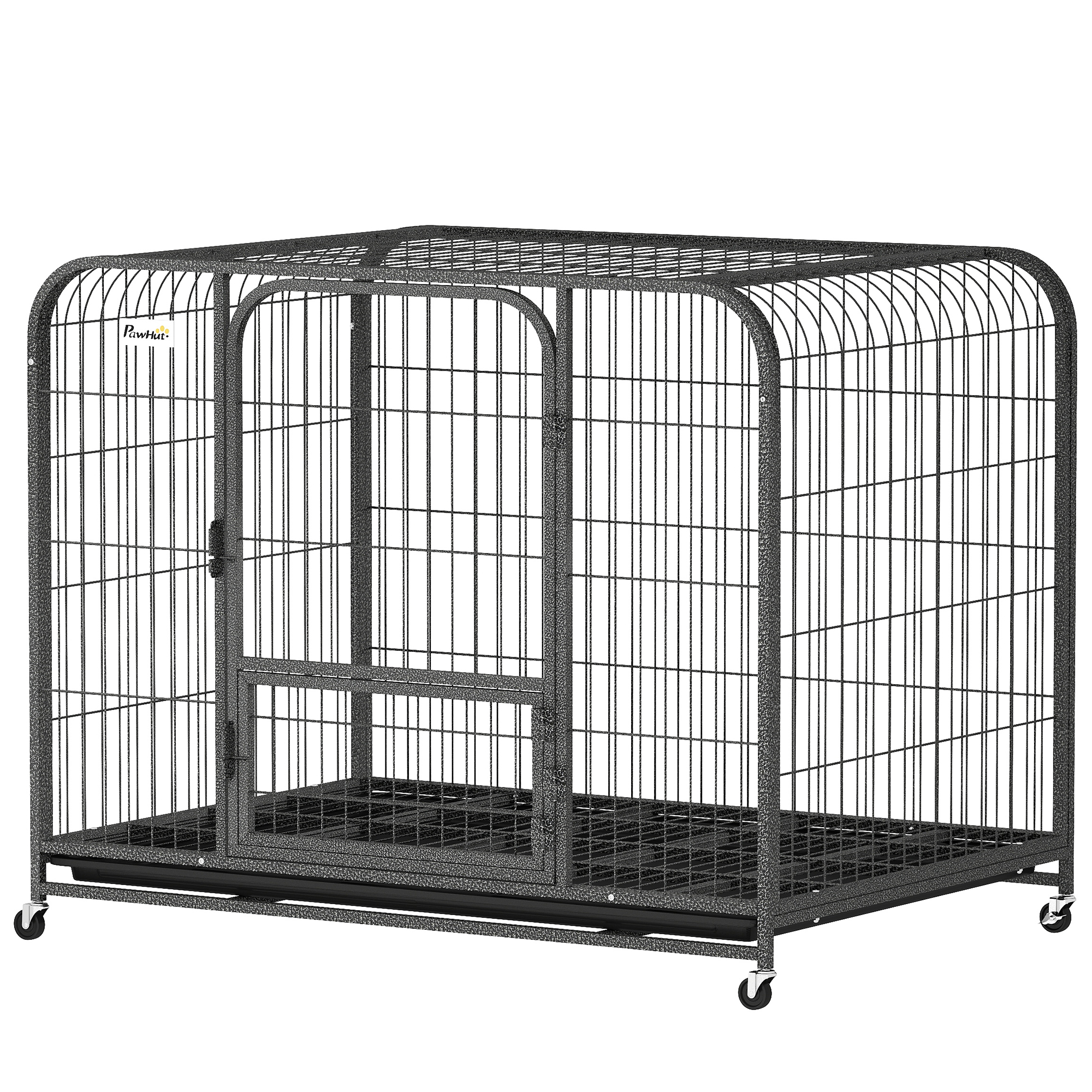
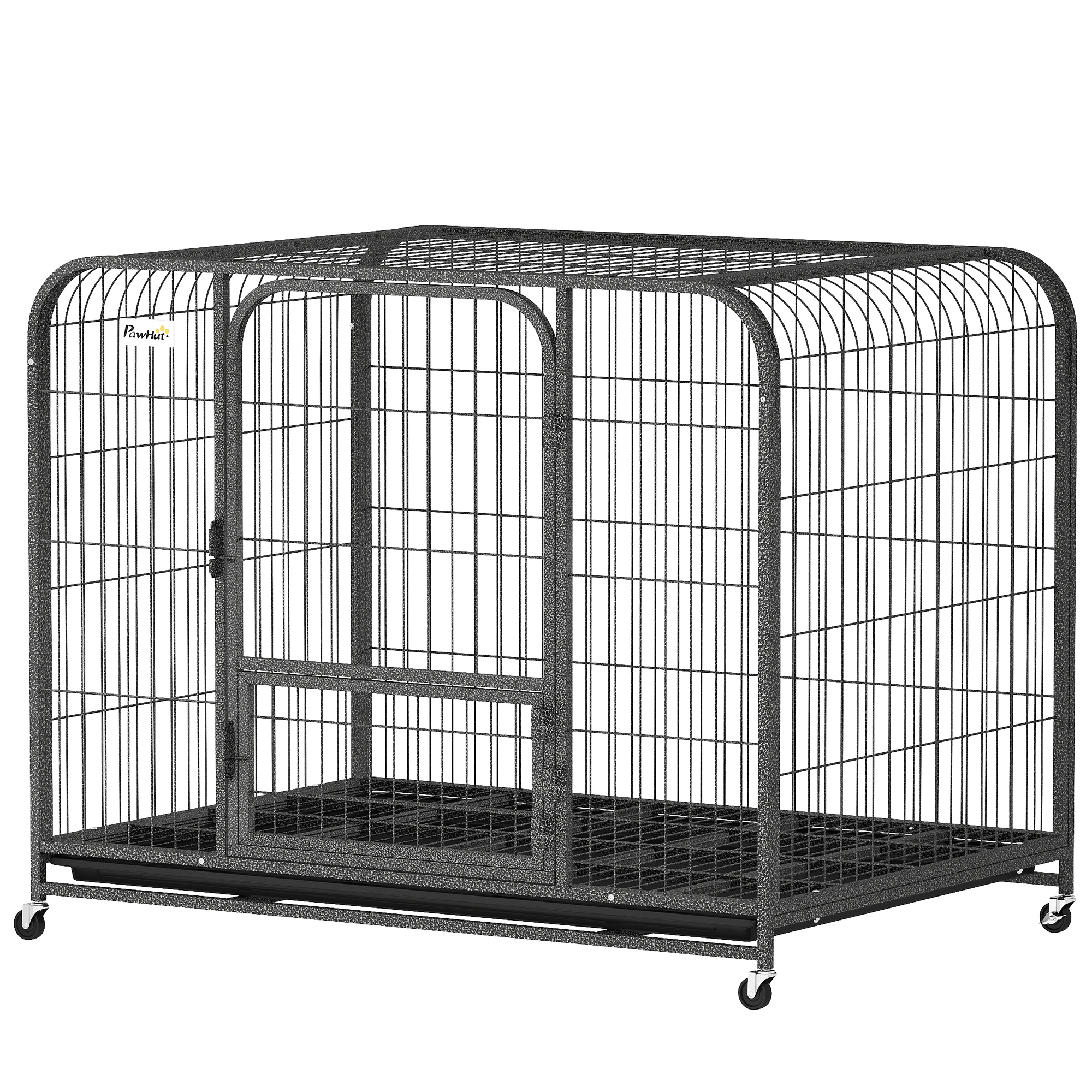
Heavy-duty cages are best for strong or active dogs.
Choose a material based on your dog’s behaviour, size, and daily use.
For regular home use, metal wire cages are usually a practical and durable option.
Check the Cage Strength
The cage should be strong enough for your dog.
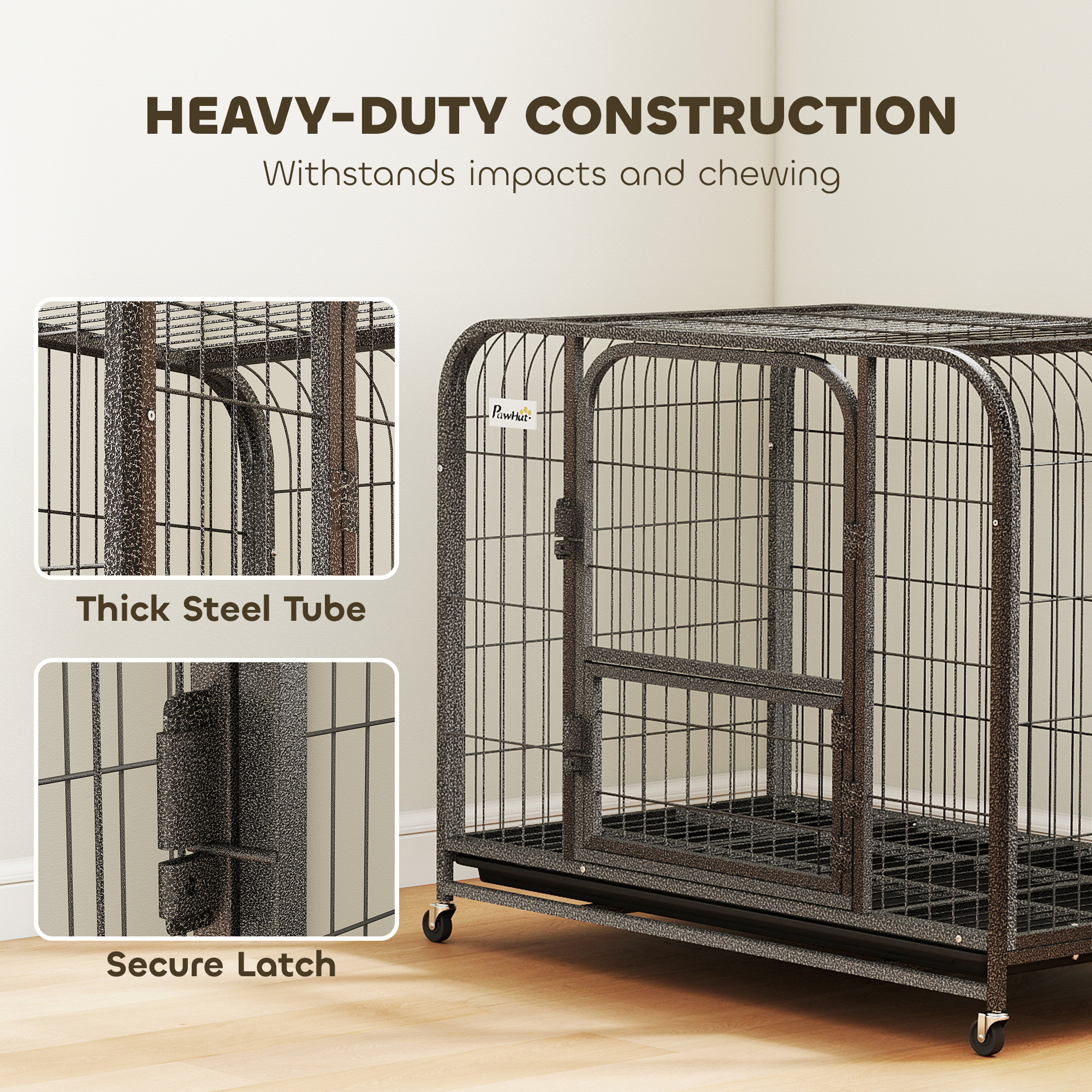
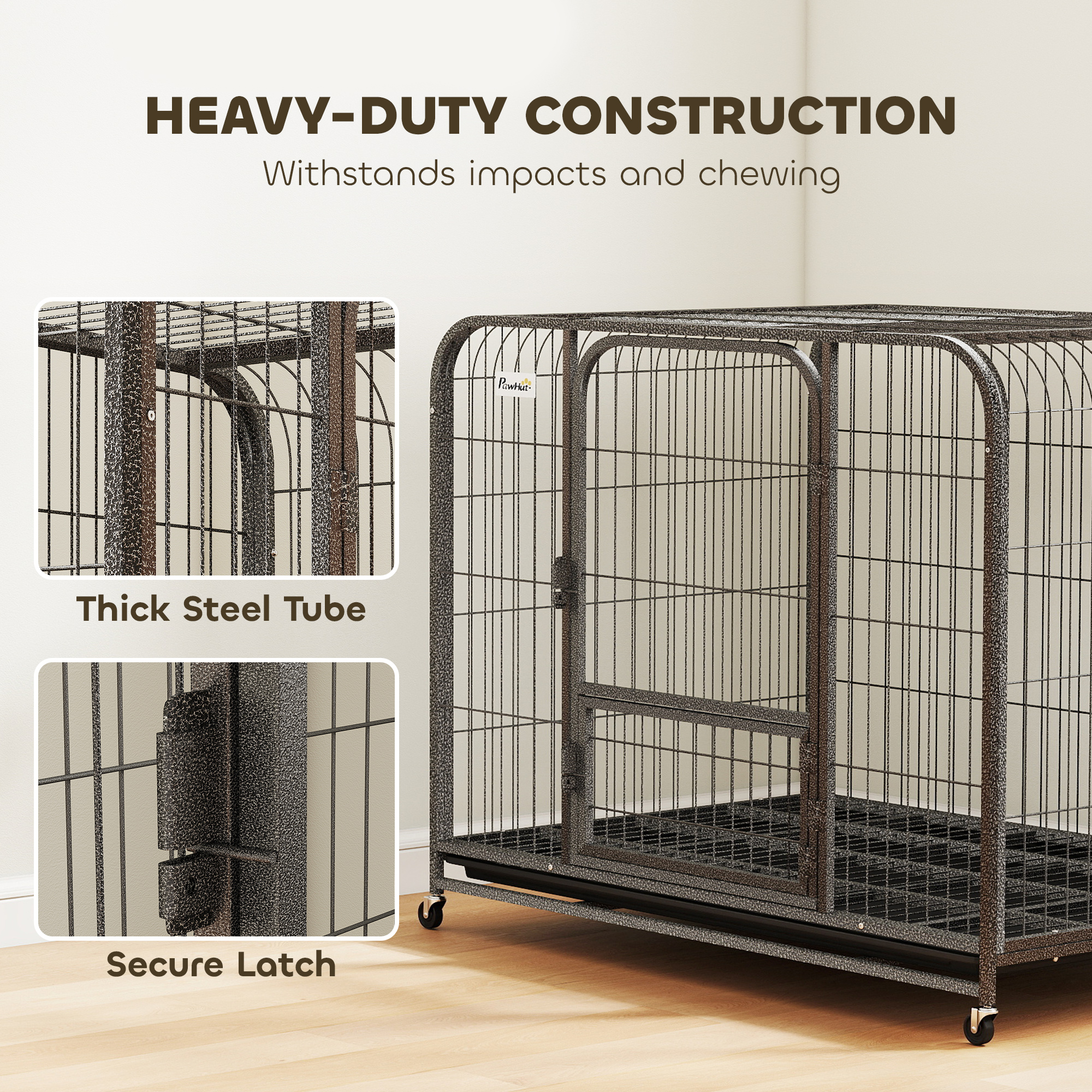
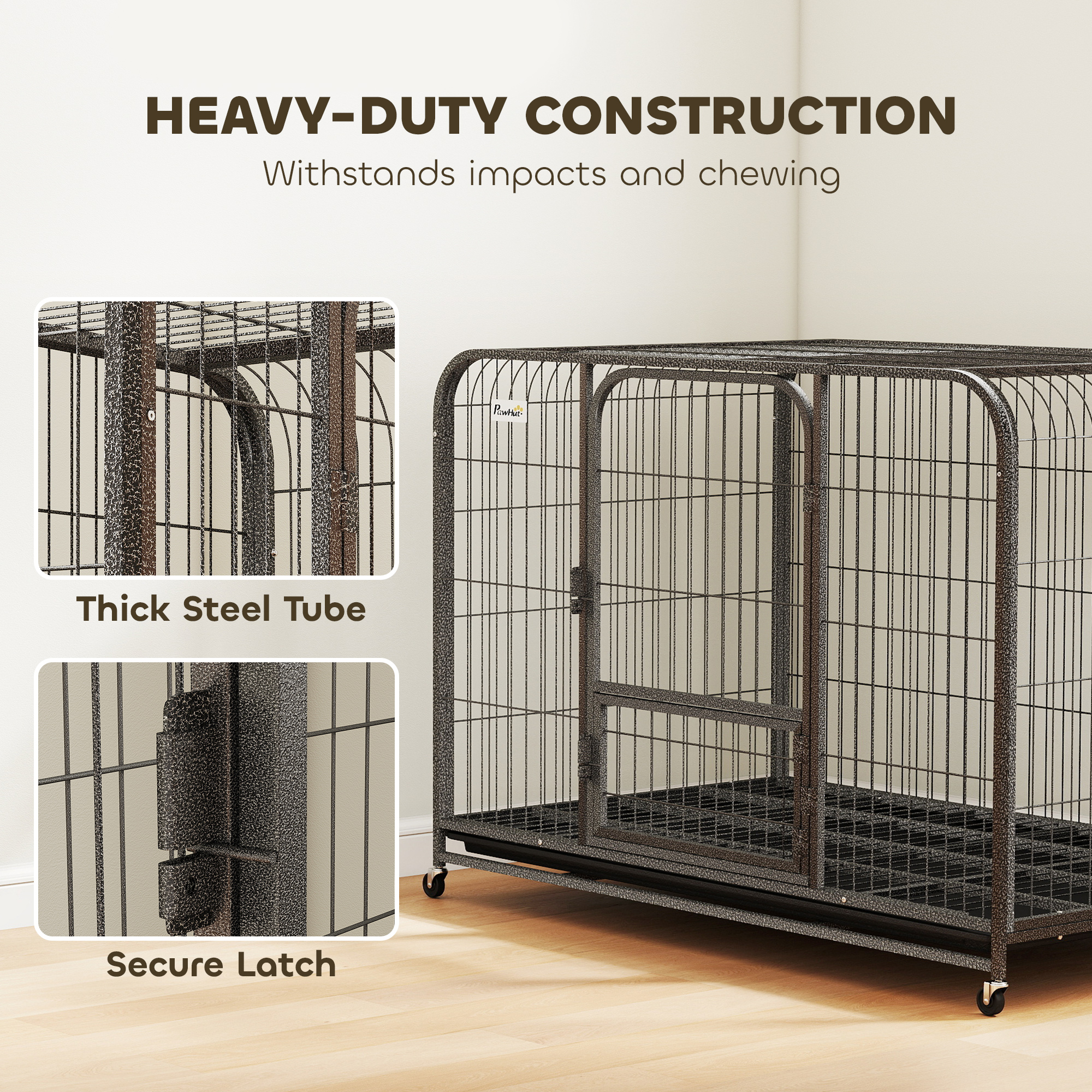
Active dogs, large dogs, or dogs that like chewing need stronger cages. A weak cage may bend, break, or become unsafe over time.
Look for:
Strong frame
Durable wires or panels
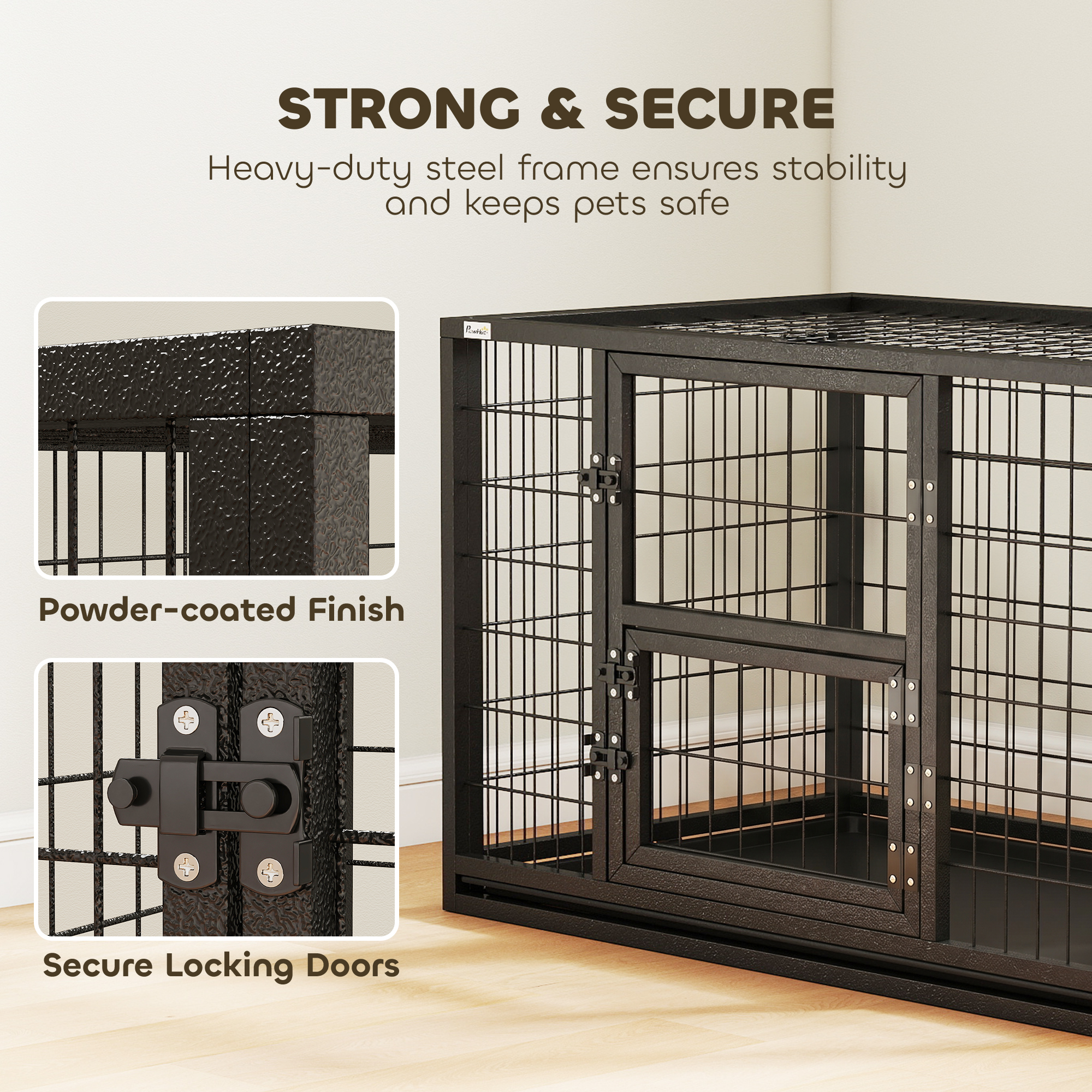
Secure locks
Good-quality hinges
Stable base
Chew-resistant material
For powerful breeds, choose a heavy-duty dog cage with reinforced construction.
Make Sure It Has Proper Ventilation
Good airflow is important for your dog’s comfort.
A dog cage should have enough open space or ventilation panels so your dog does not feel hot or trapped.
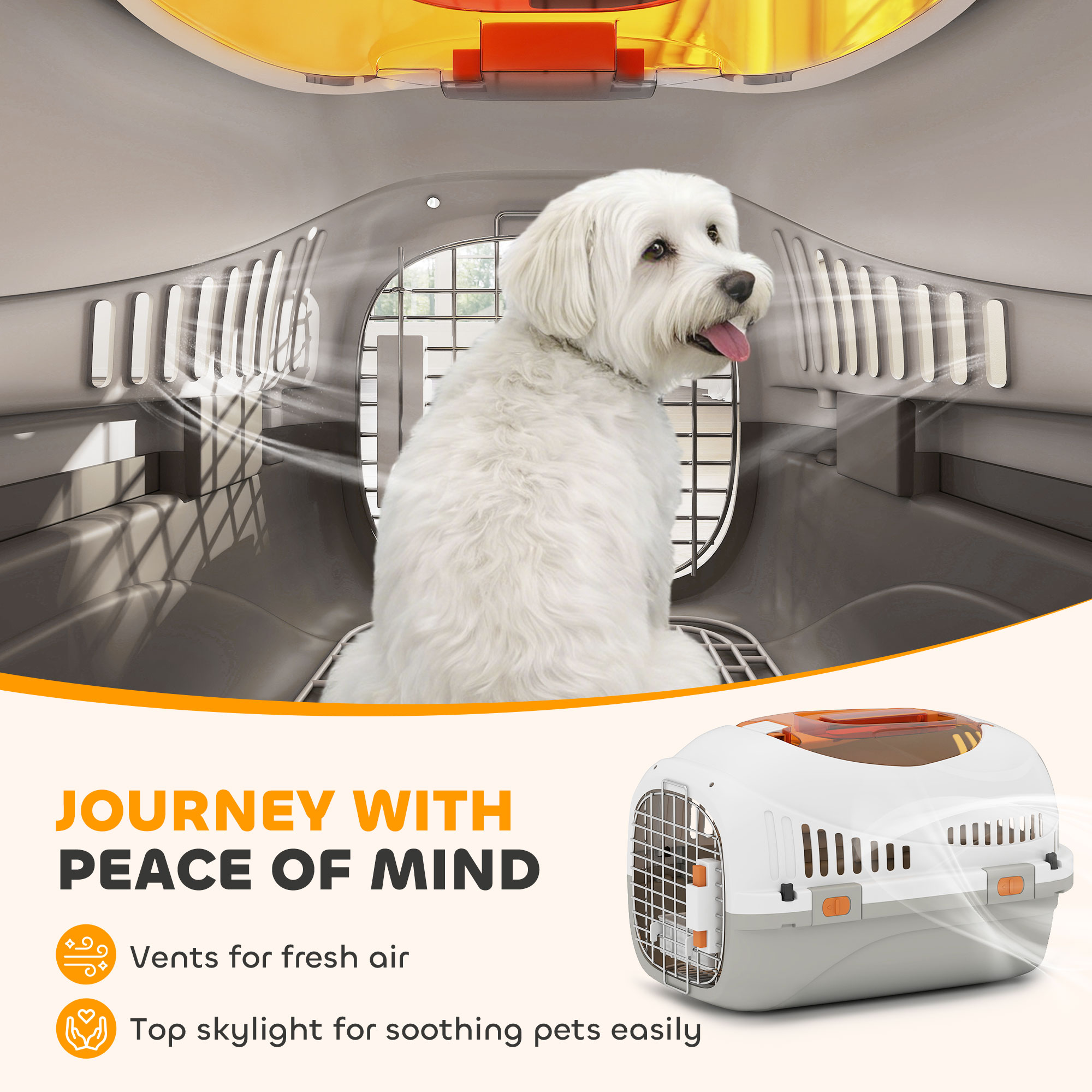
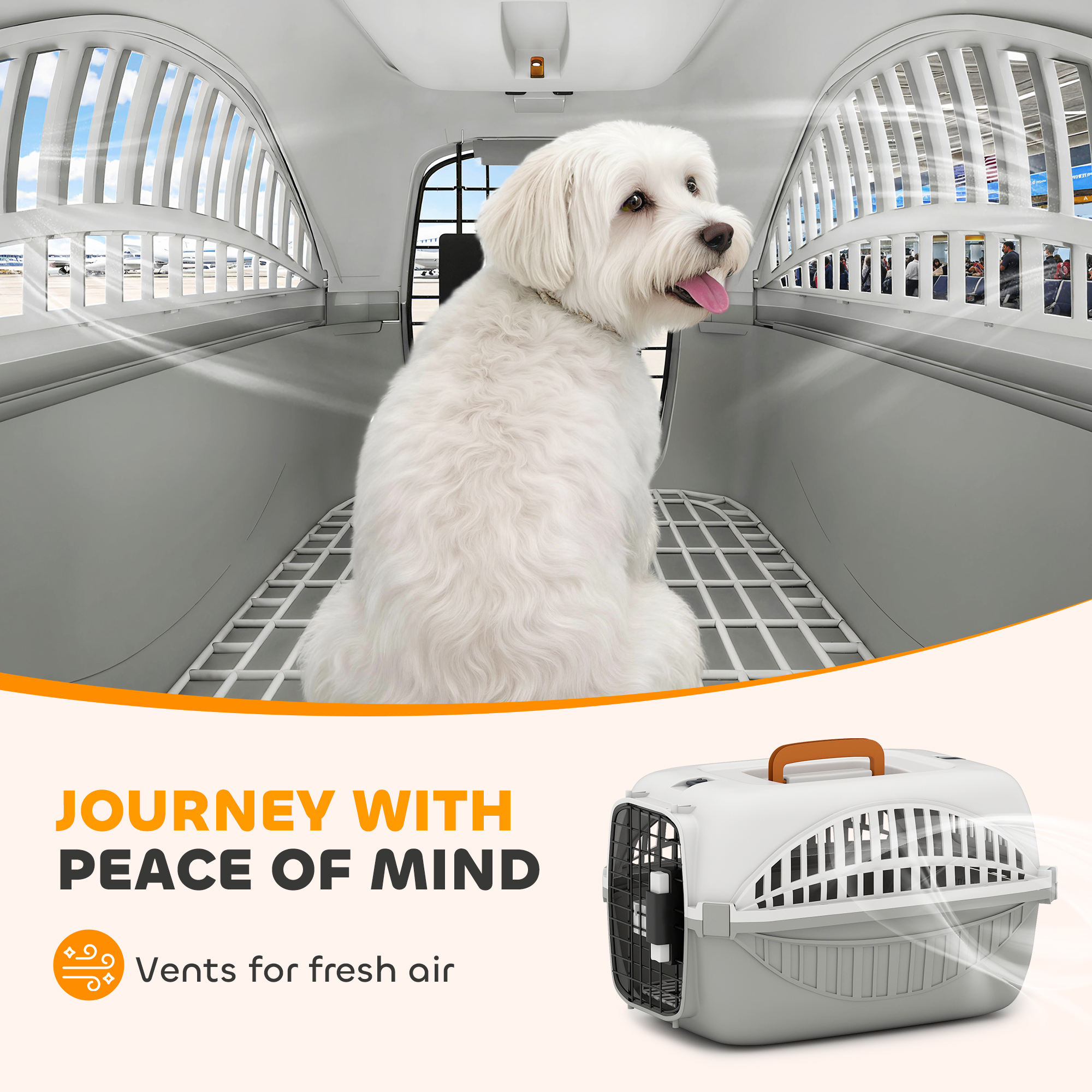
Wire cages usually provide excellent airflow and visibility. Plastic cages should have side vents or openings for proper breathing and comfort.
Good ventilation helps your dog stay relaxed, especially during warm weather or longer resting periods.
Look for a Comfortable Base
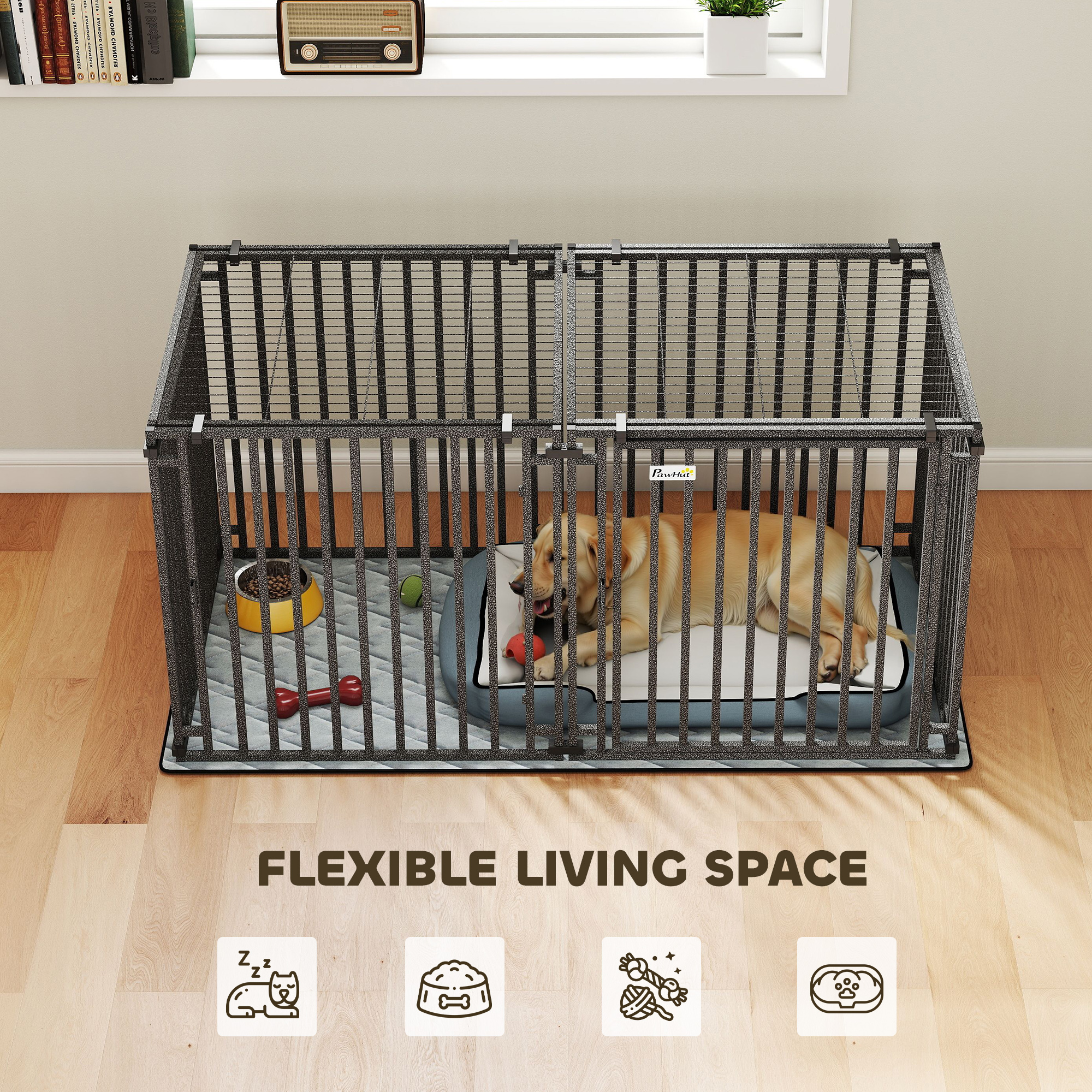
The base of the cage should be safe and comfortable for your dog.
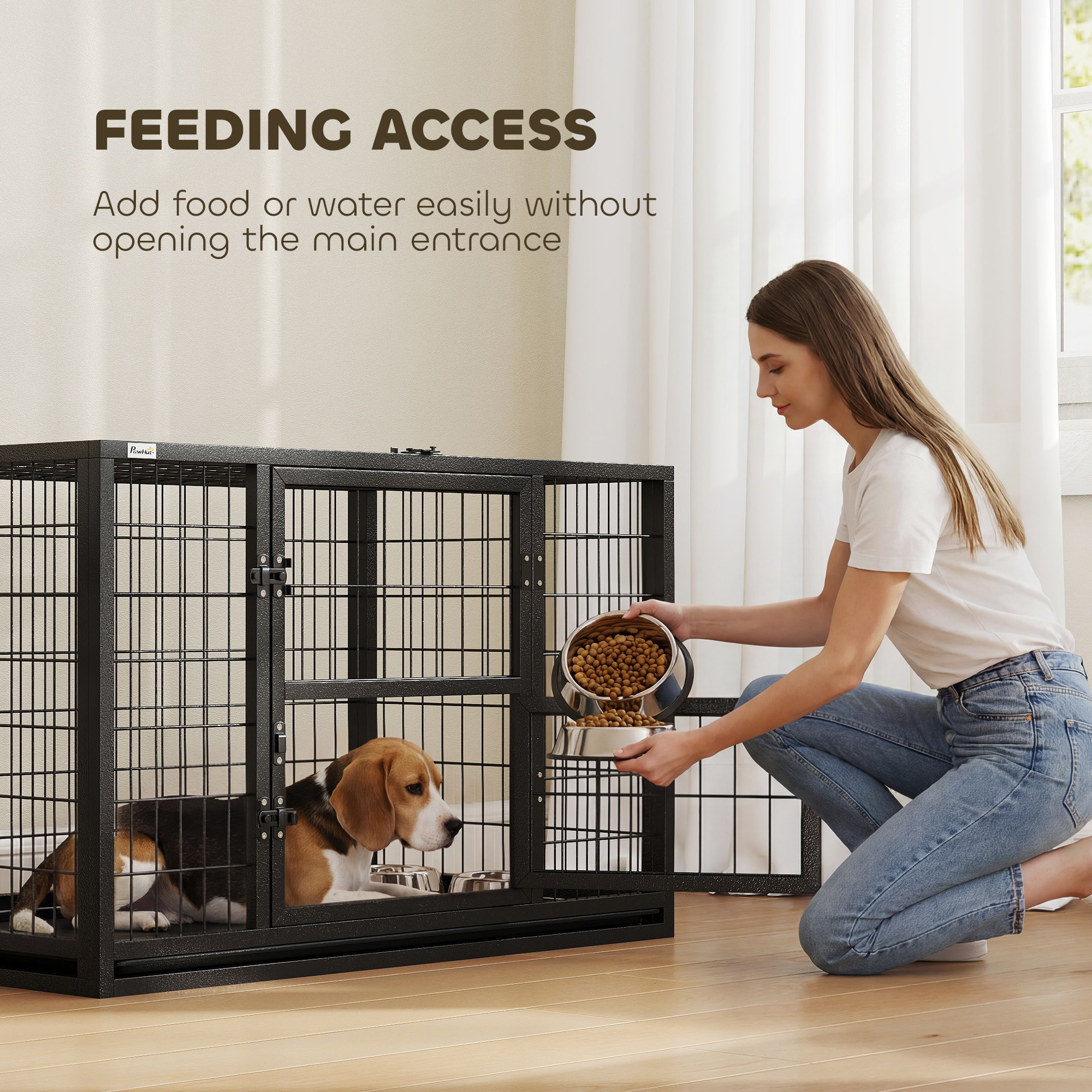
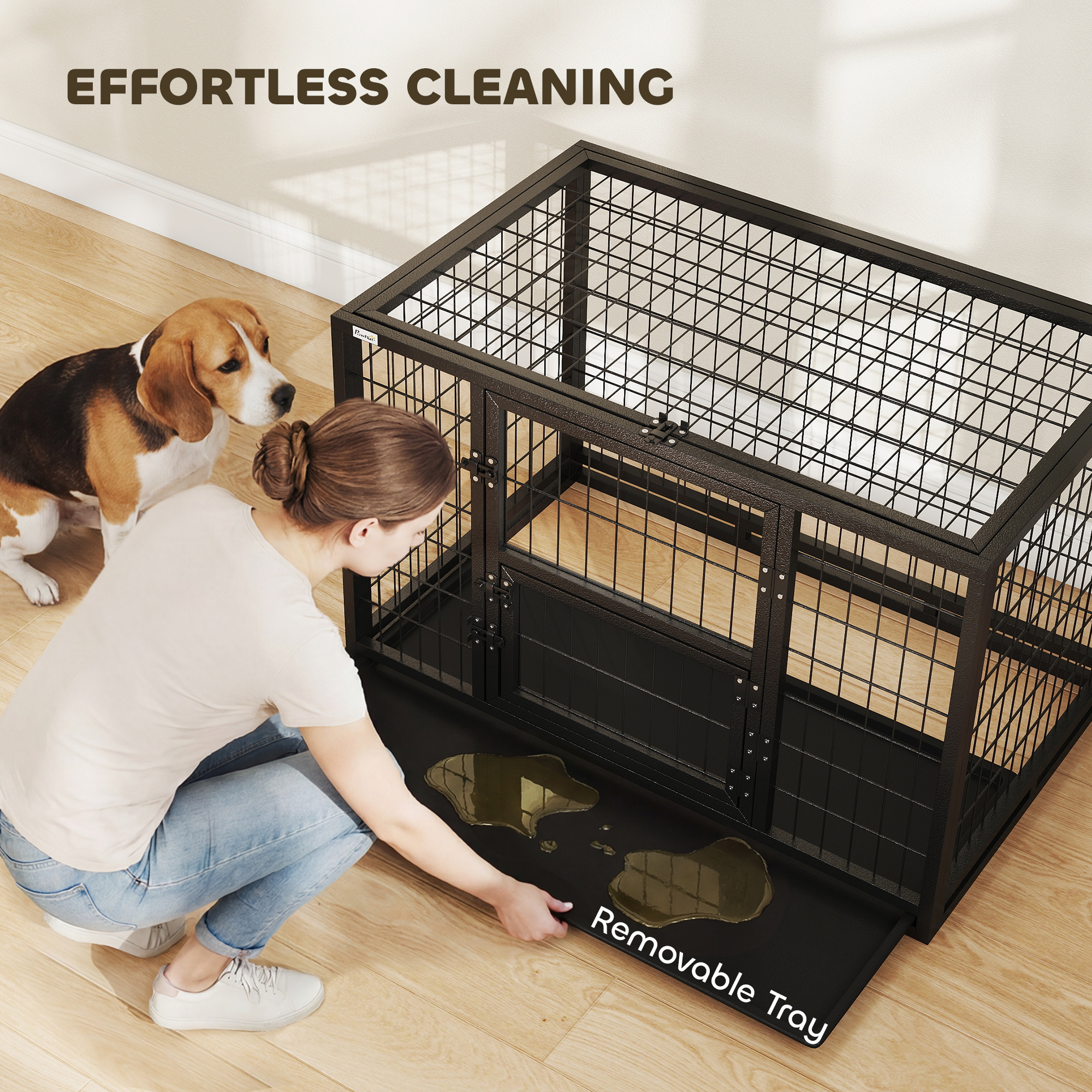
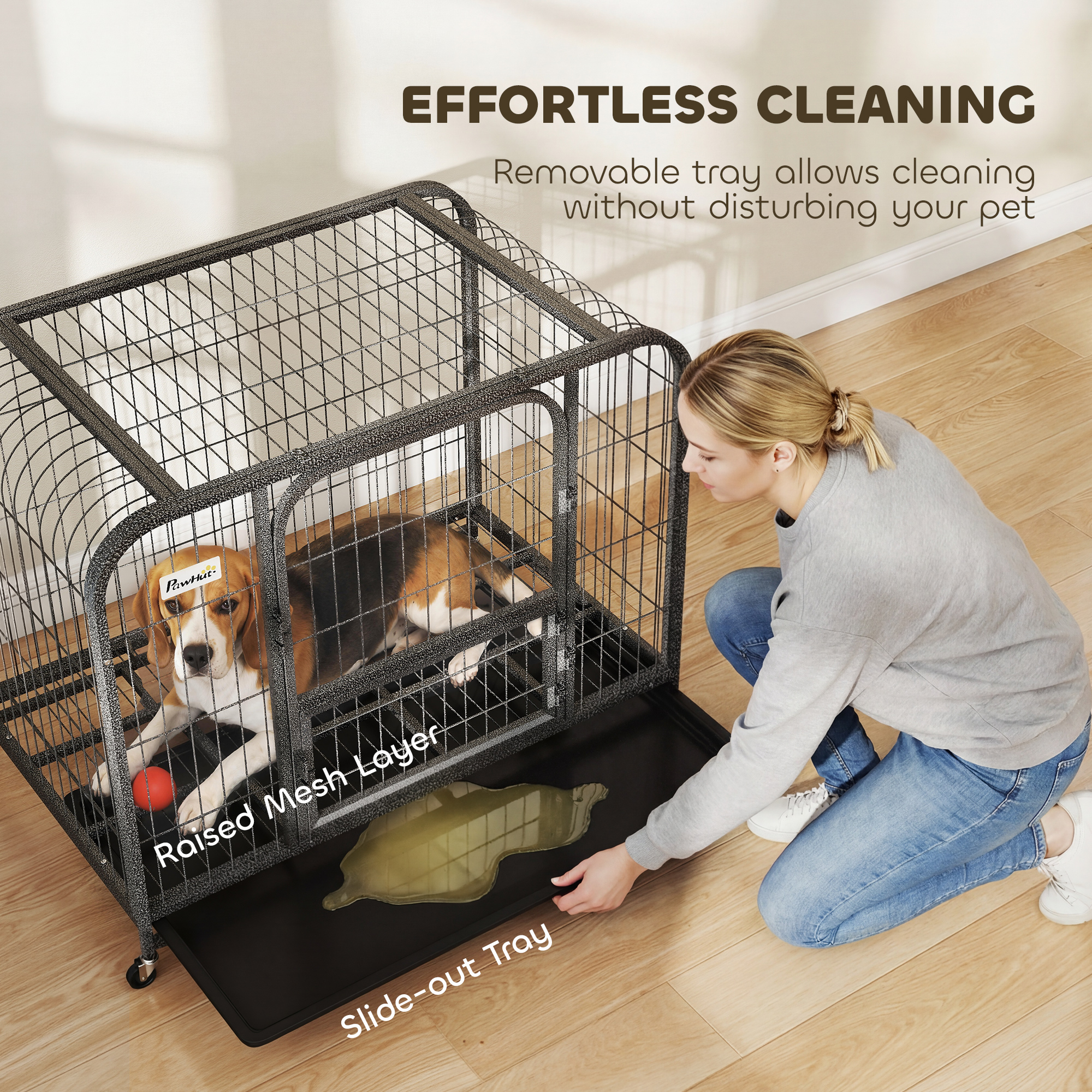
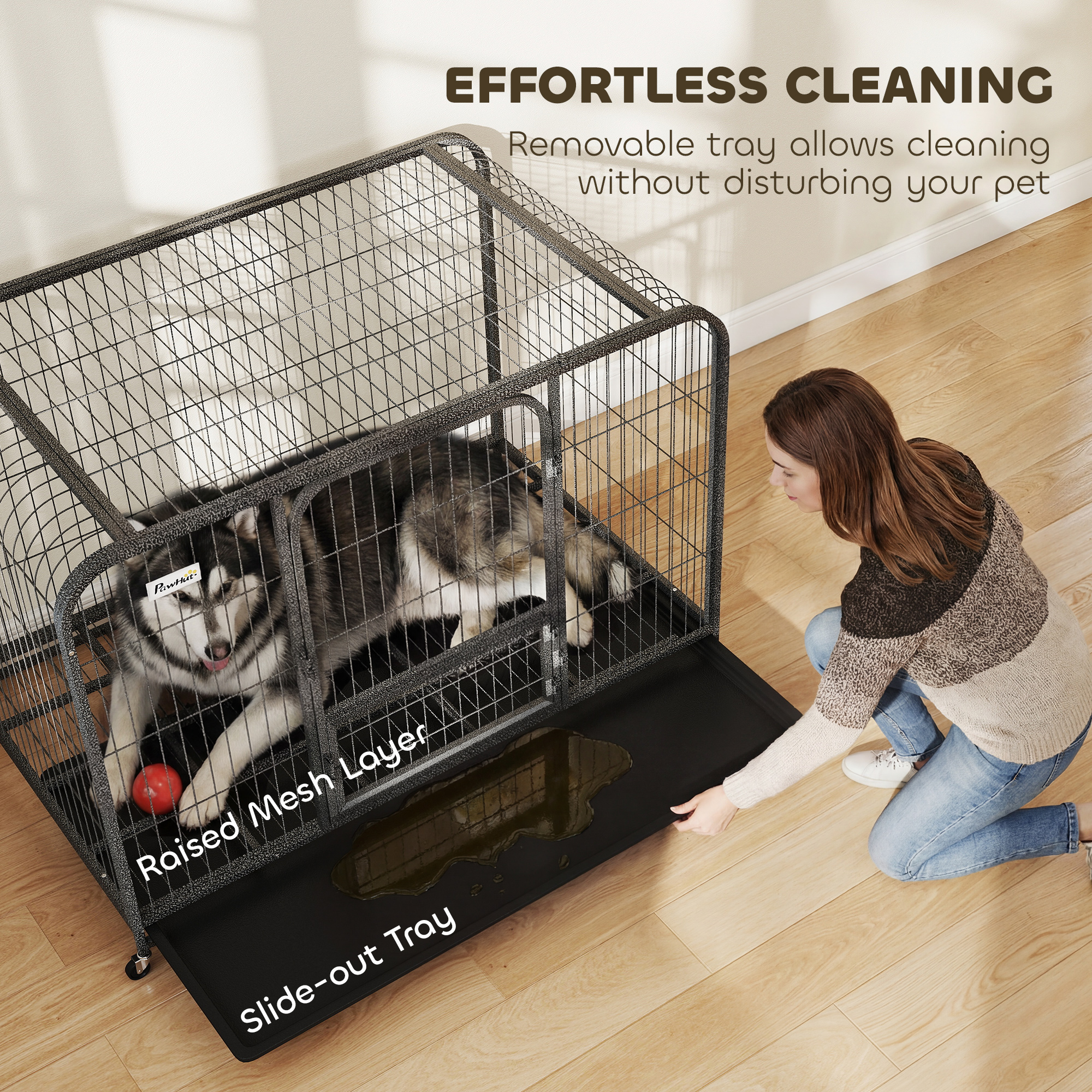
Many cages come with a removable tray at the bottom. This makes cleaning easier and helps keep the cage hygienic.
You can also add:
Soft bedding
A washable mat
A dog blanket
A crate pad
Avoid using very thick bedding if your dog chews a lot. Choose washable and durable bedding for regular use.
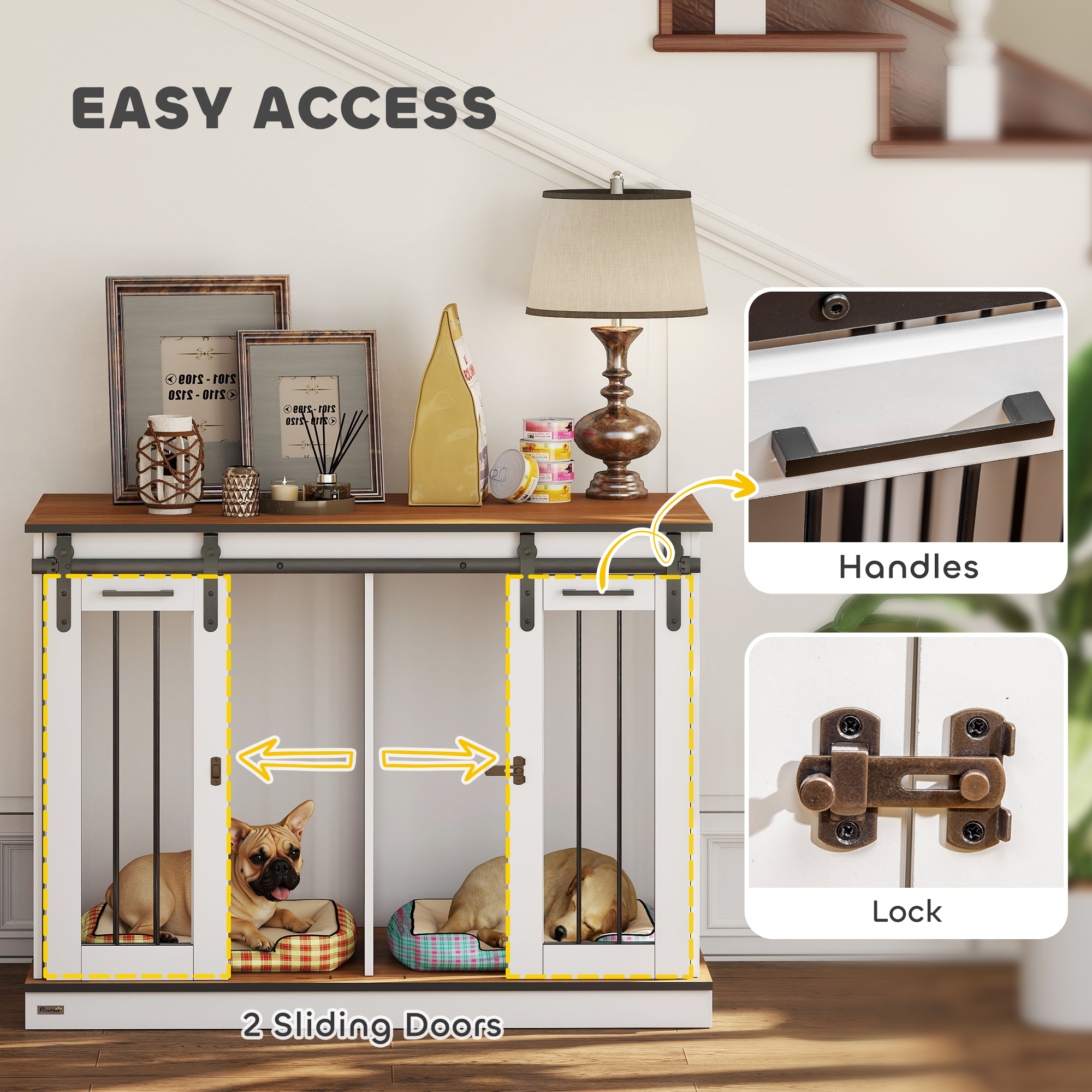
Choose a Secure Door Lock
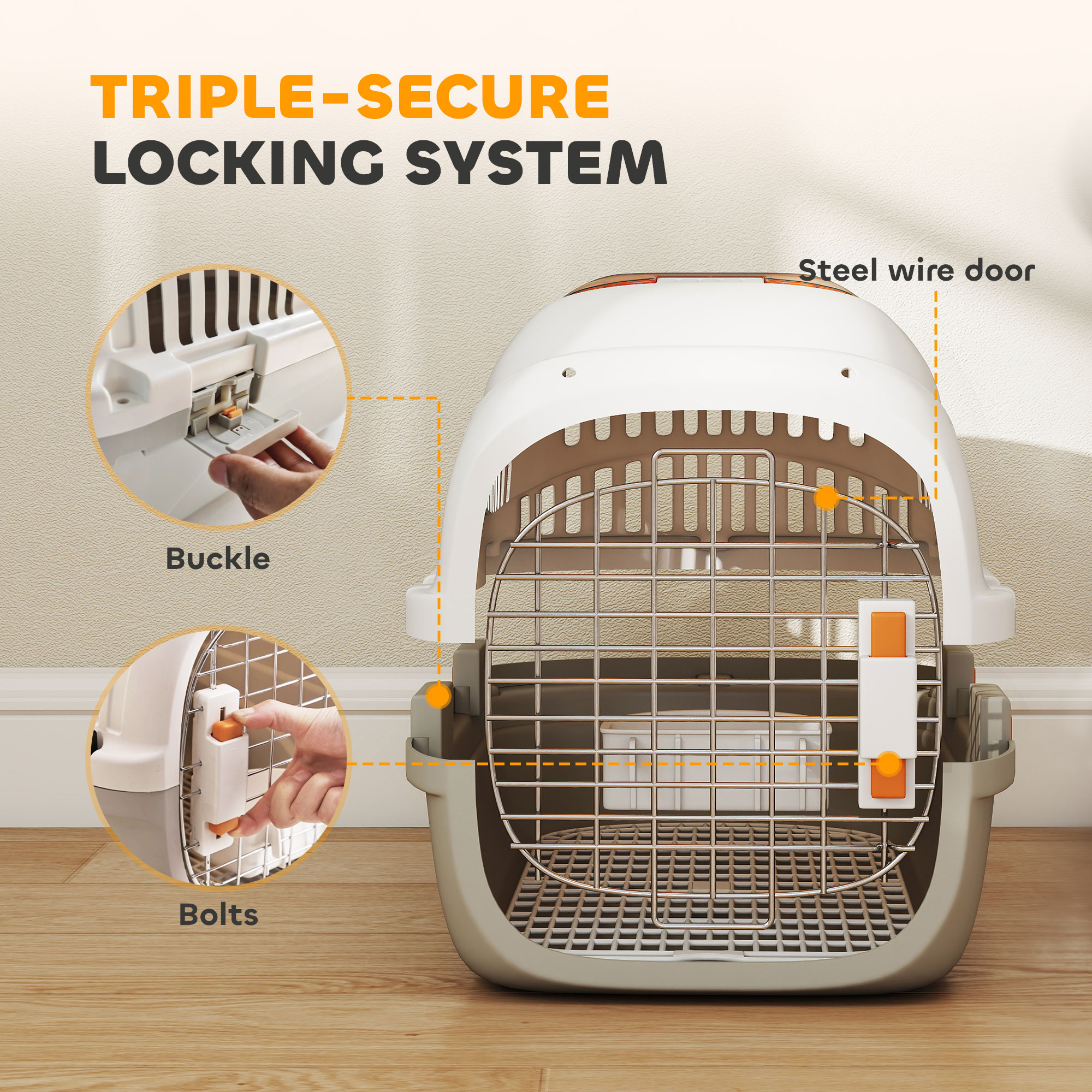
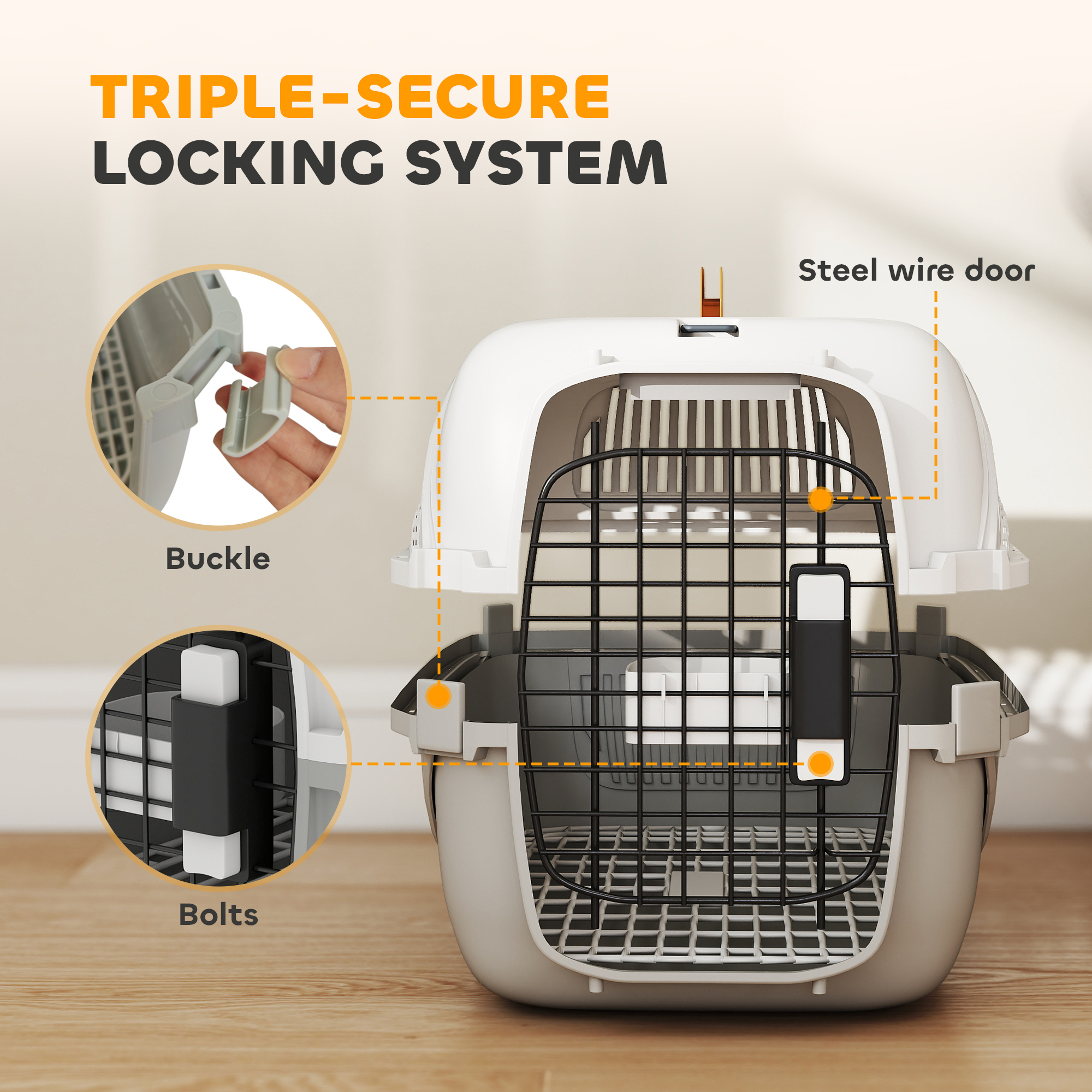
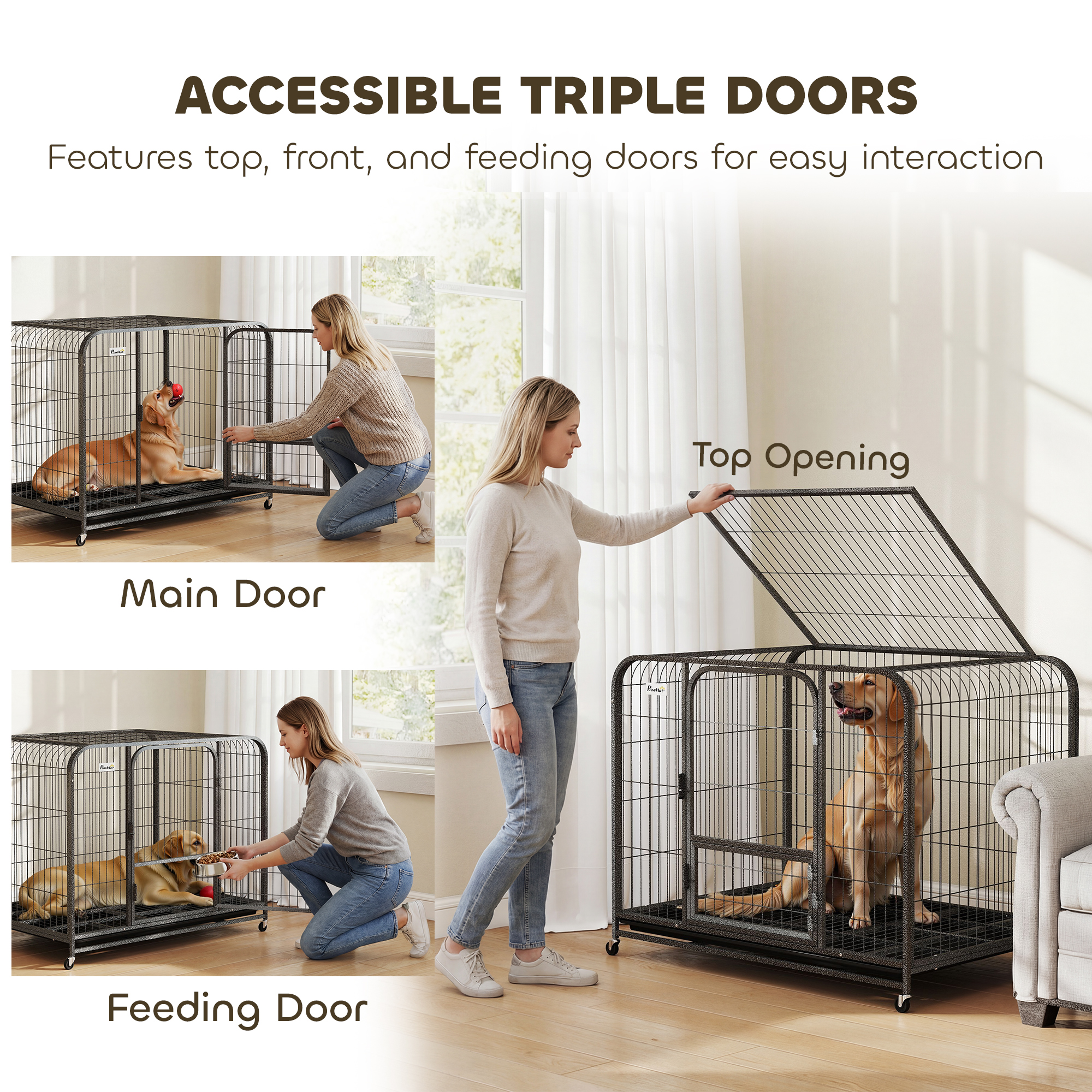
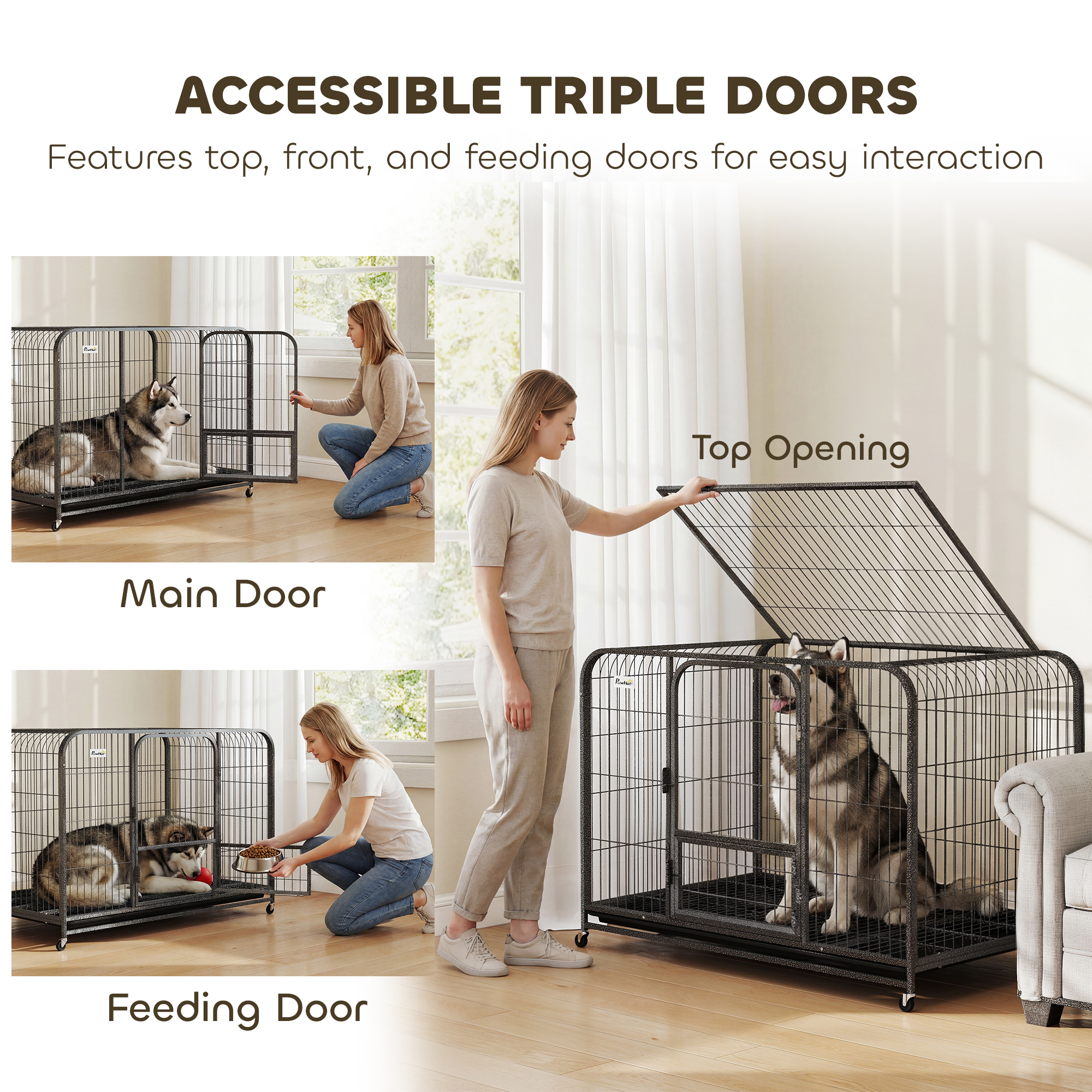
A dog cage should have a strong and secure door lock.
Dogs can sometimes push, scratch, or try to open the cage. A weak lock may open easily and create safety problems.
Look for cages with:
Strong latches
Double locks if needed
Smooth door movement
Safe edges
No sharp parts
A secure lock keeps your dog safe while still allowing easy access for you.
Check the Available Space at Home
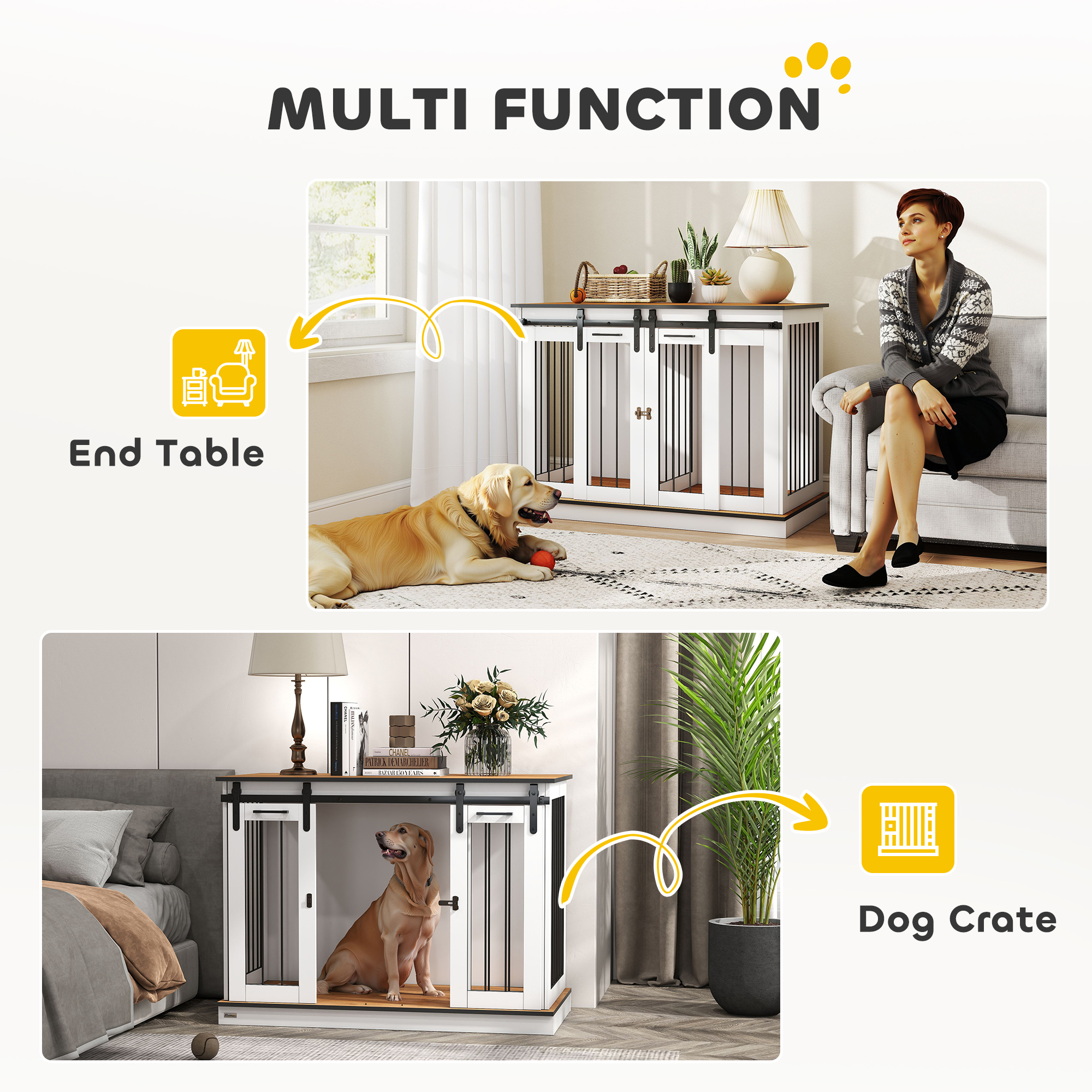
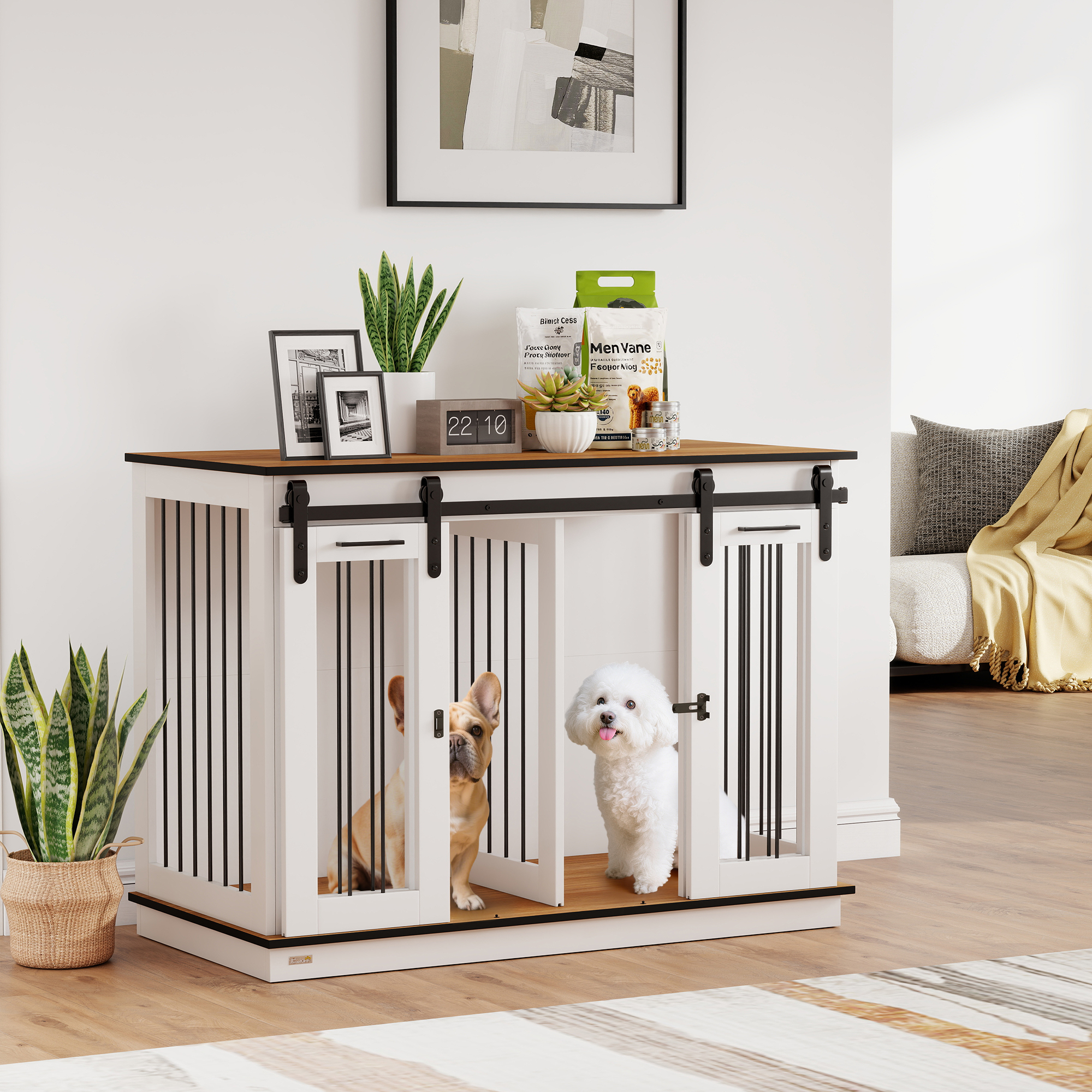
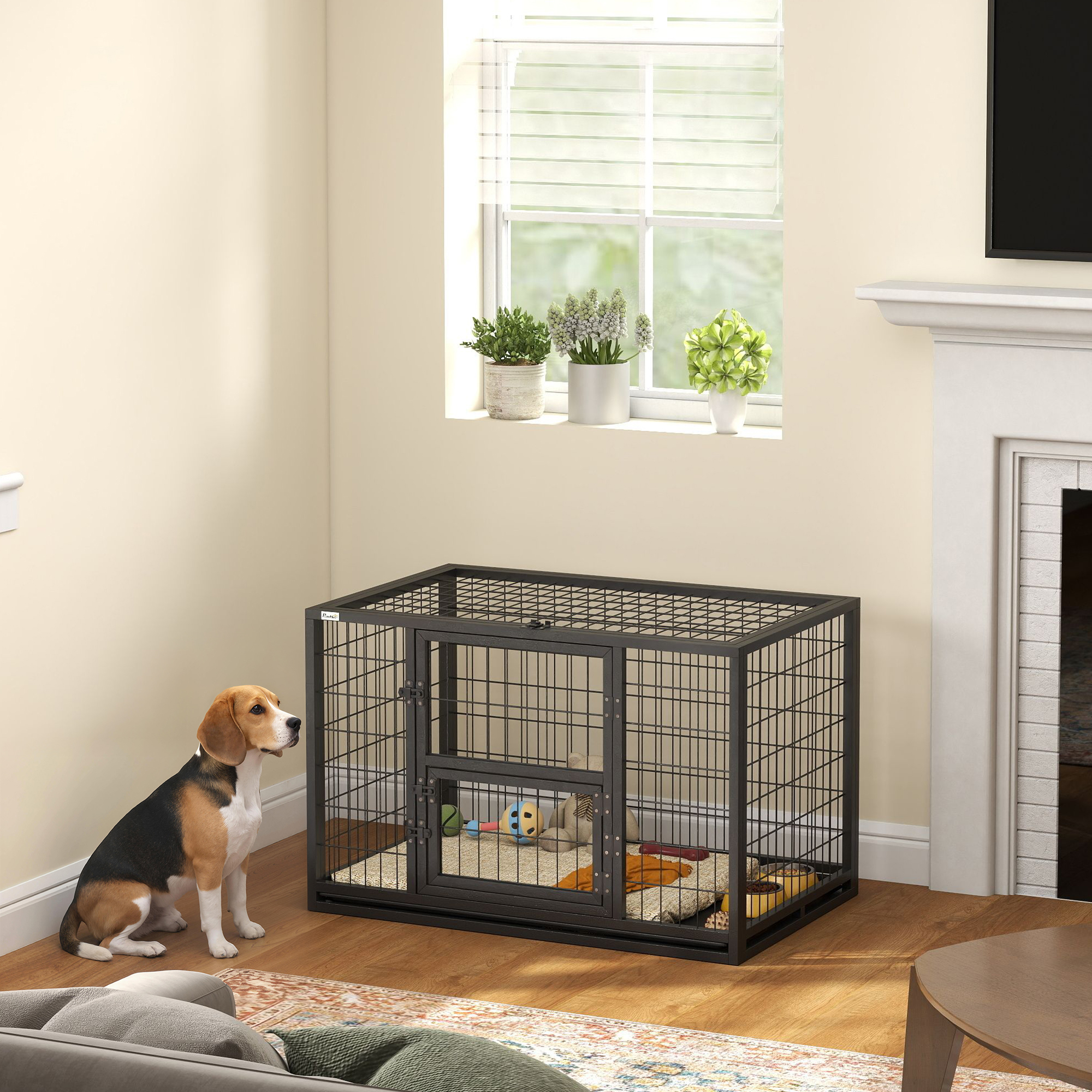
Before choosing a dog cage, decide where you want to place it.
Good places include:
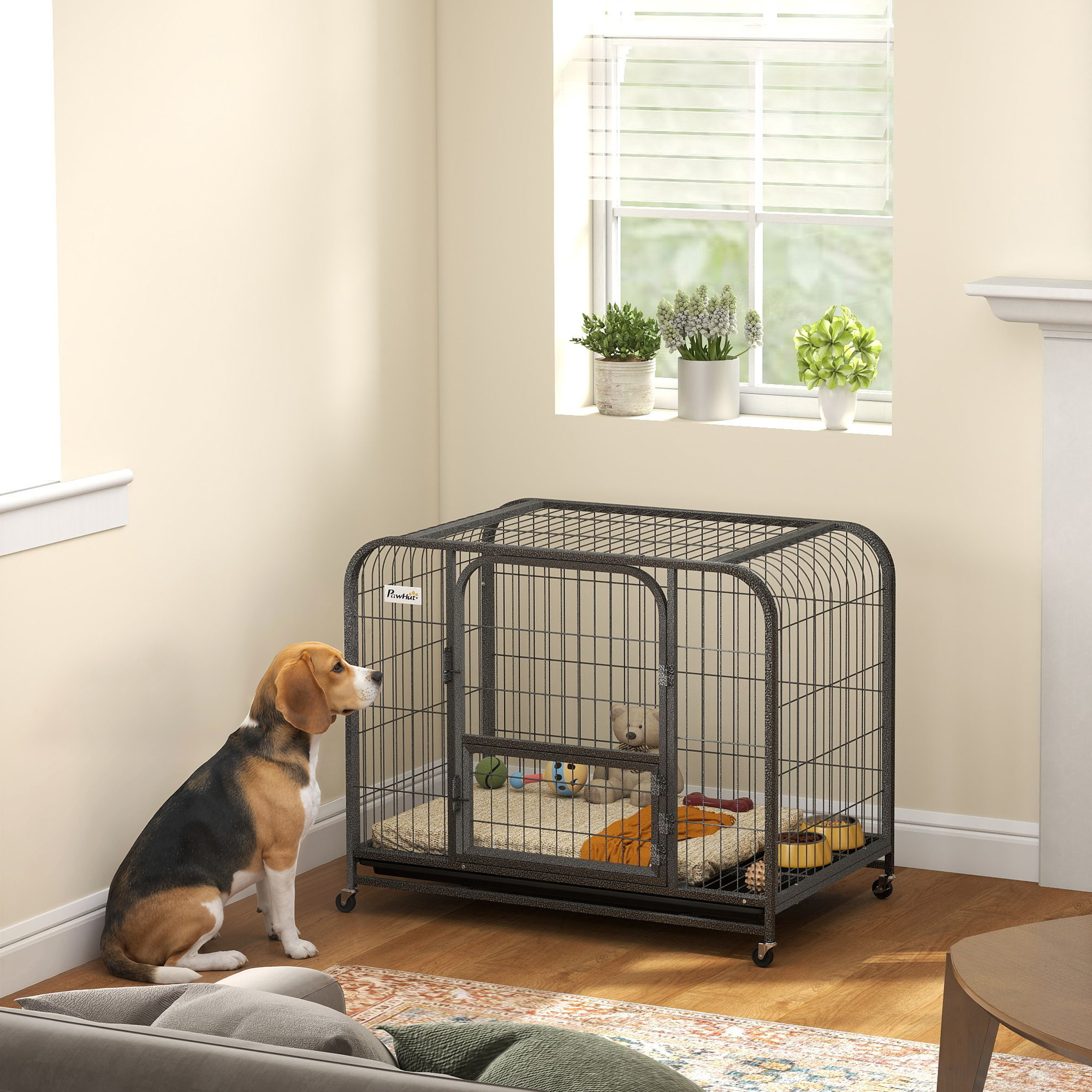
Living room corners
Bedroom corners
Quiet indoor areas
Near family activity spaces
Utility or pet care areas
Make sure the cage fits properly without blocking movement in the room.
Your dog should feel included, not isolated. Avoid placing the cage in very hot, cold, noisy, or dark areas.
Think About Training Needs
Dog cages are often used for crate training.
For puppies, a cage can help with house training and creating a daily routine. Dogs naturally avoid making their sleeping area dirty, so the right-sized cage can support potty training.
A dog cage can also help your dog learn calm behaviour when guests arrive or when you are busy.
Always use the cage in a positive way. Do not use it as punishment, because your dog should feel safe and comfortable inside it.
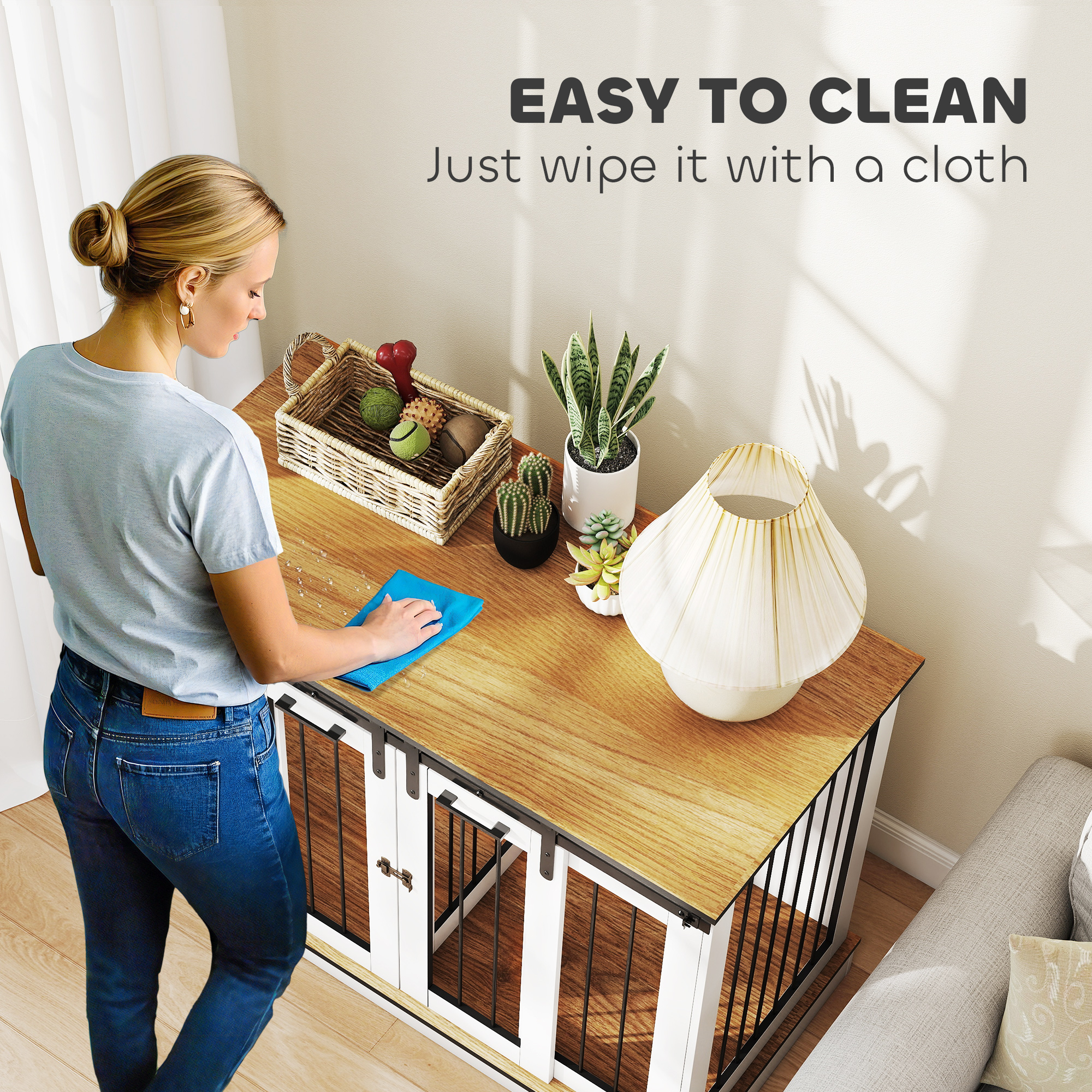
Choose an Easy-to-Clean Design
Dog cages can collect fur, dust, and dirt over time.
Choose a cage that is easy to clean and maintain.
Look for:
Removable bottom tray
Washable base
Smooth surfaces
Rust-resistant material
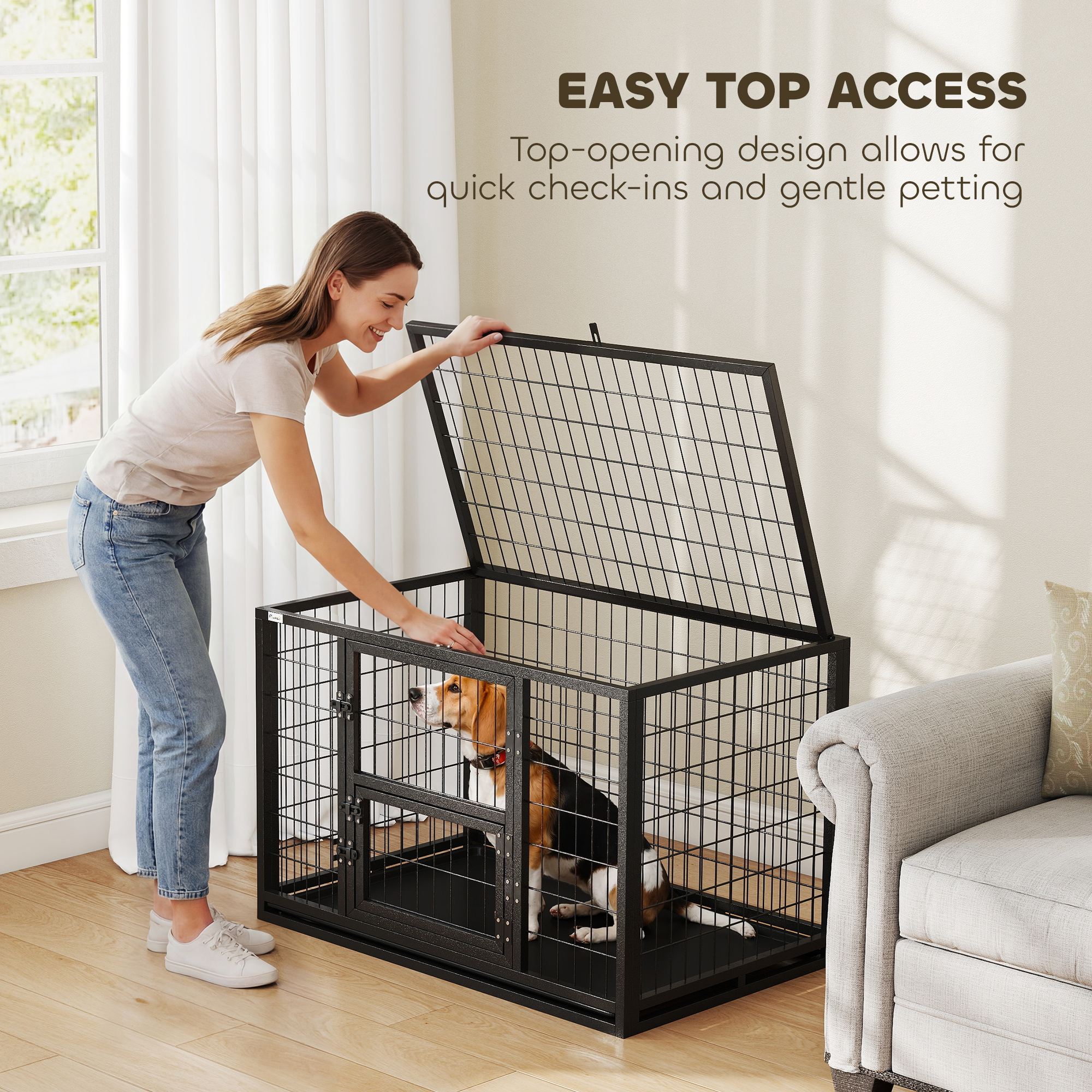
Easy door access
Simple assembly
Regular cleaning keeps the cage fresh, hygienic, and comfortable for your pet.
Consider Travel and Portability
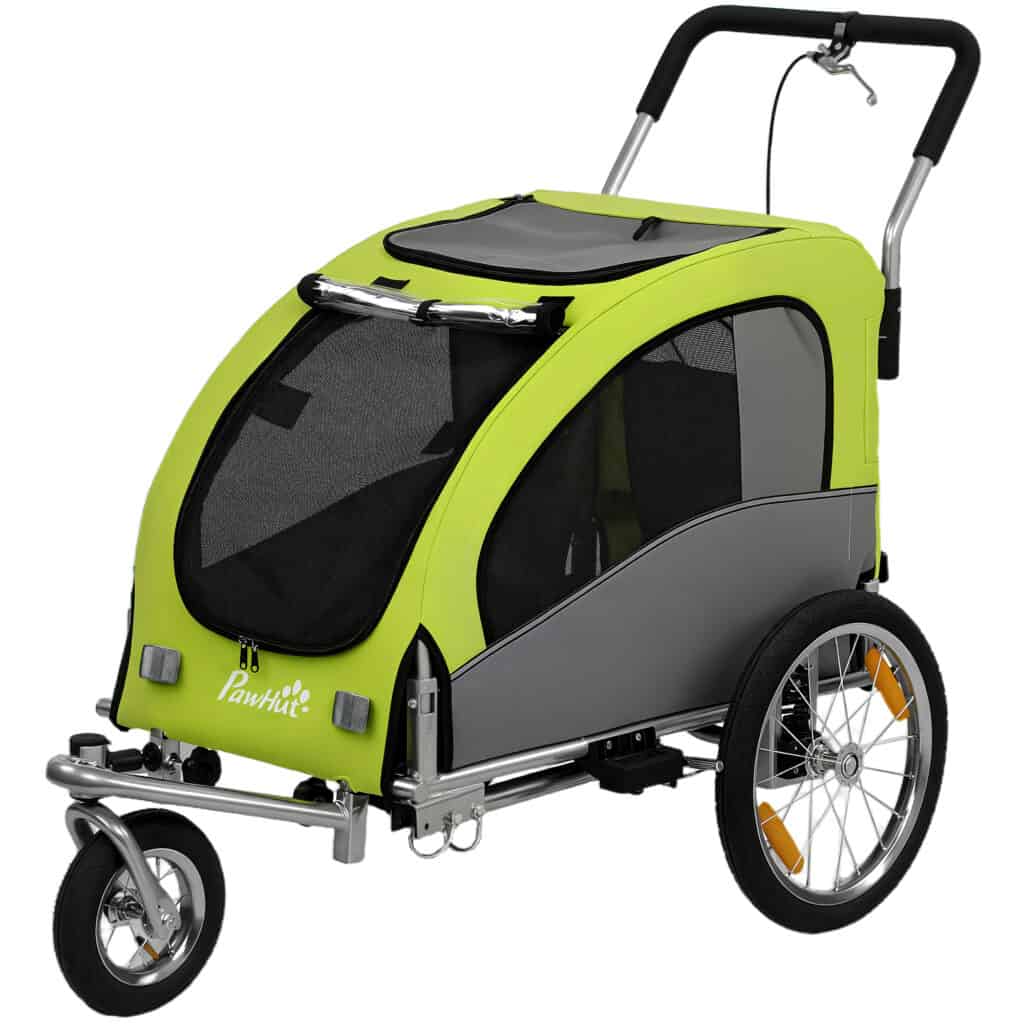
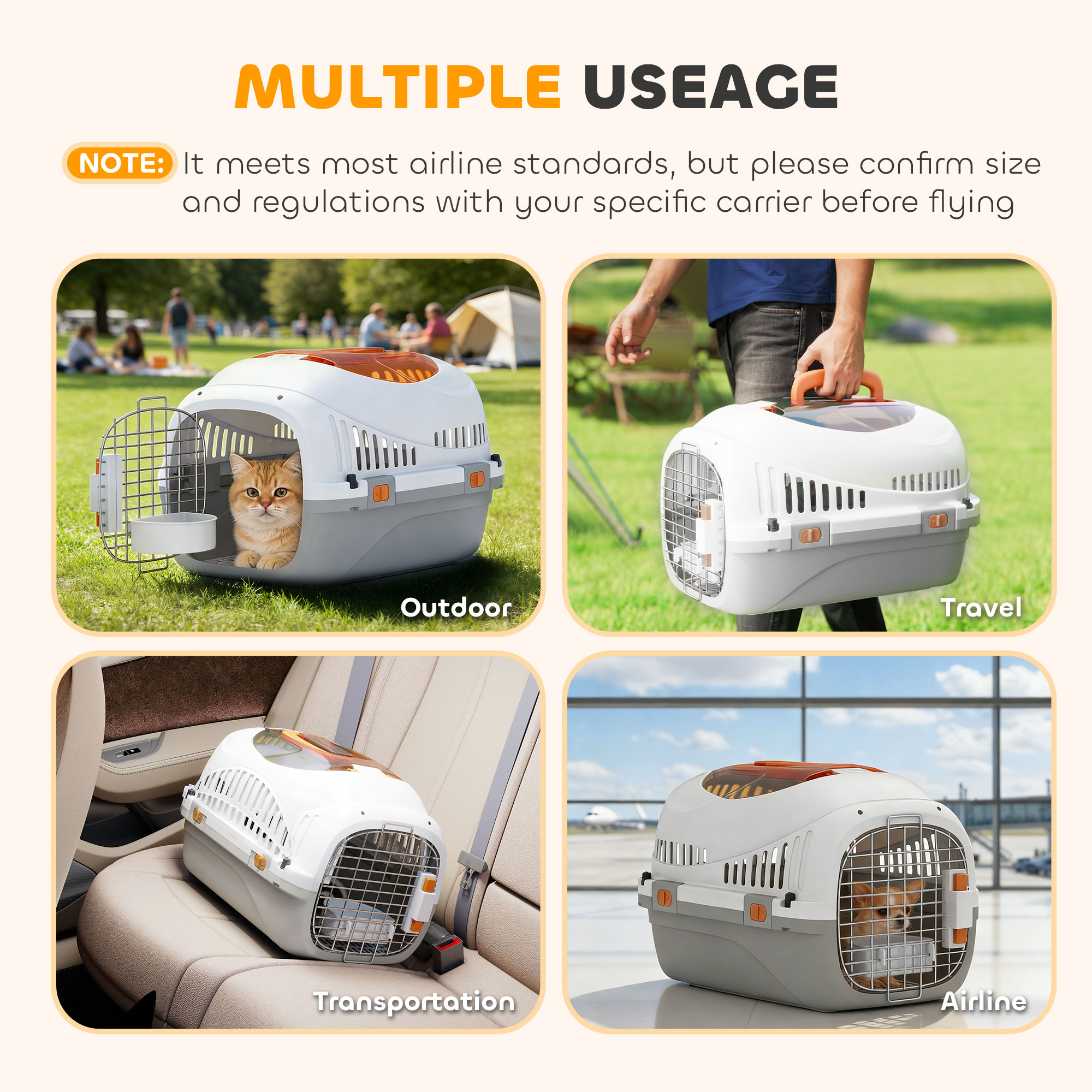
If you plan to travel with your dog, choose a cage that is easy to move.
For travel, look for:
Lightweight design
Foldable structure
Easy carrying handle
Secure door
Good ventilation
Travel-friendly size
Plastic dog crates are often useful for travel, while foldable metal cages are good for home and occasional transport.
Make sure the cage is suitable for your travel needs before buying.
Think About Your Dog’s Age
Your dog’s age matters when choosing a cage.
Puppies need a safe cage that supports training and growth.
Adult dogs need enough room to rest comfortably.
Older dogs need easy entry, soft bedding, and a calm space.
For senior dogs, avoid cages with high entry points. Choose a cage that is easy for them to enter and exit.
Make the Cage Comfortable
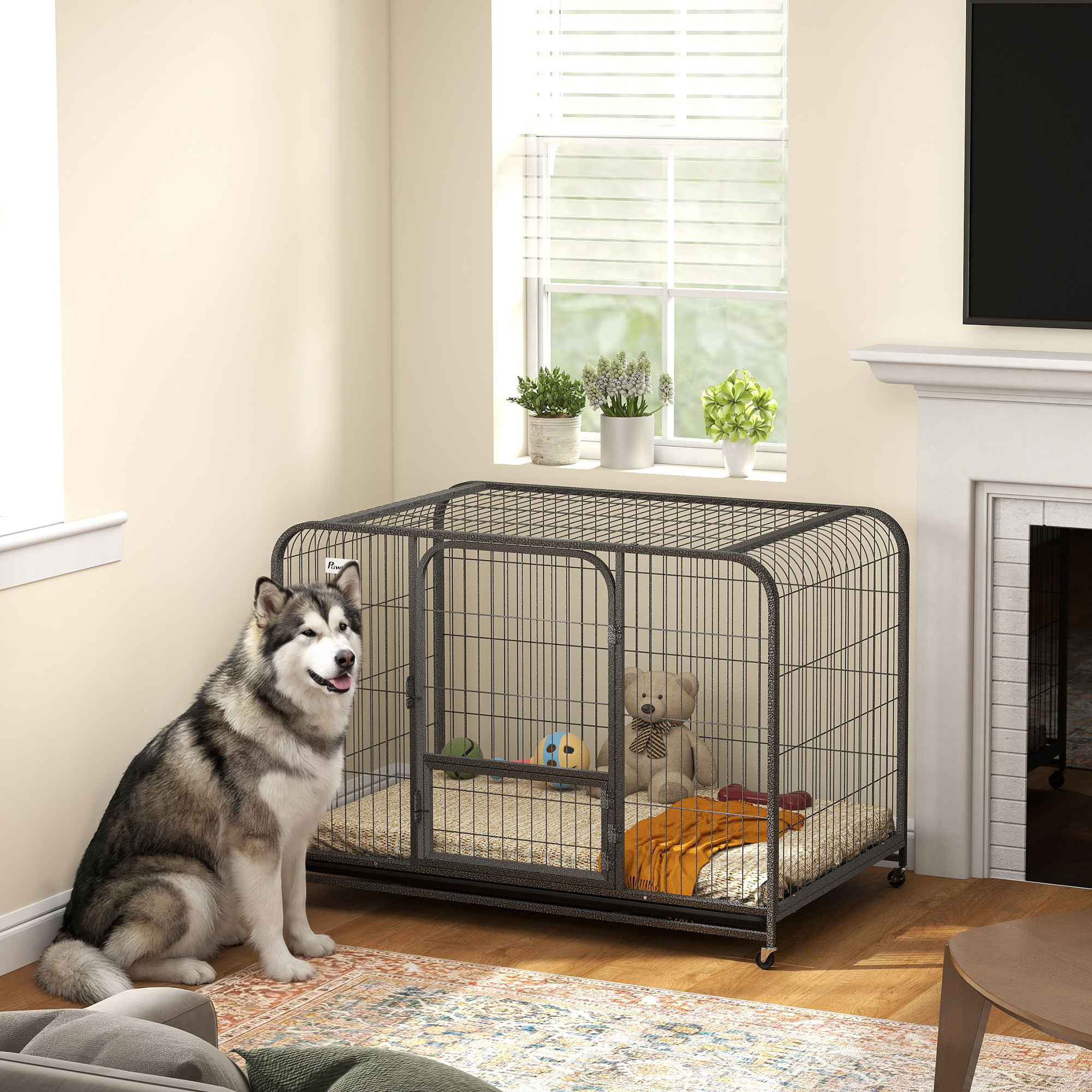
After buying a dog cage, make it comfortable and welcoming.
You can add:
A soft mat
A blanket
Safe chew toys
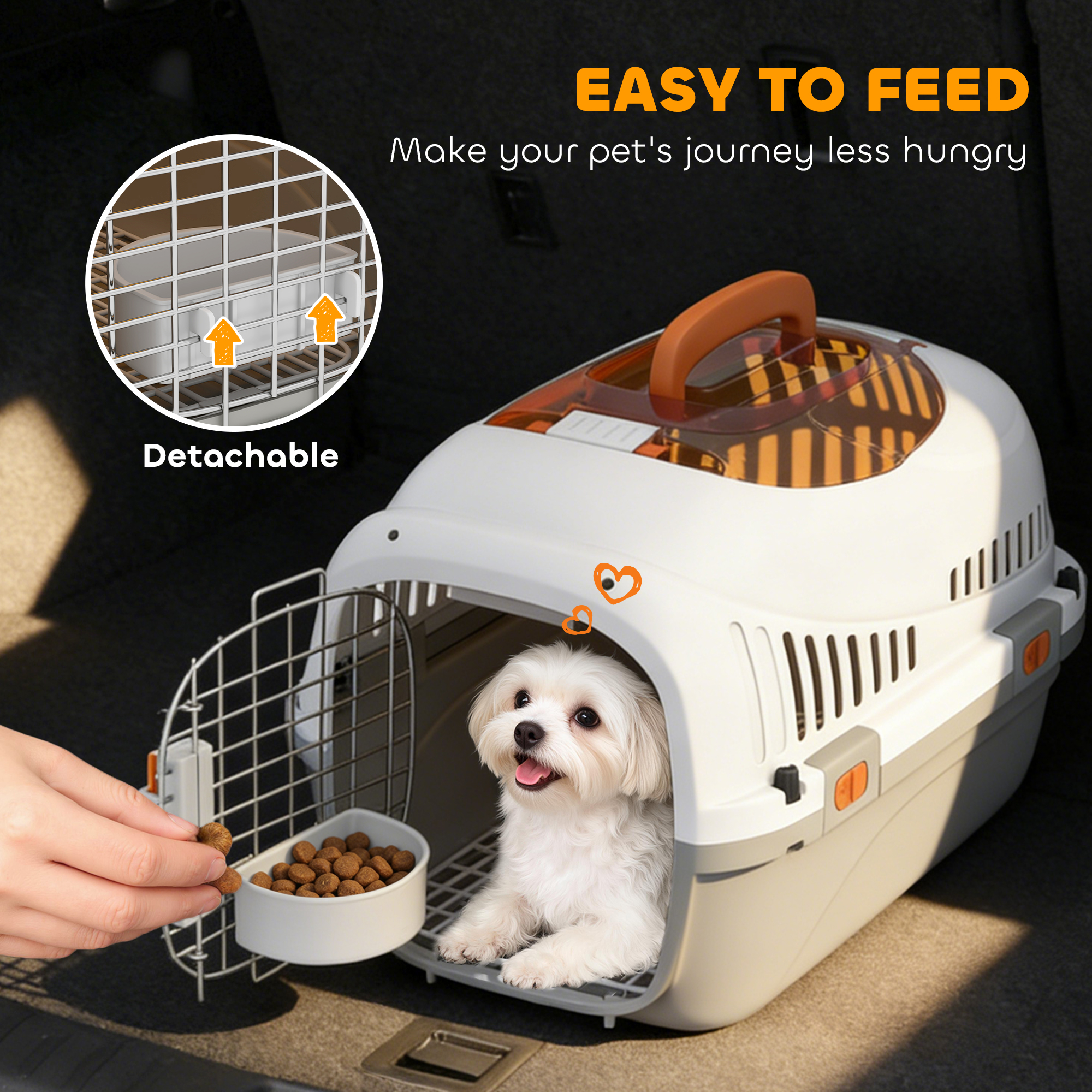
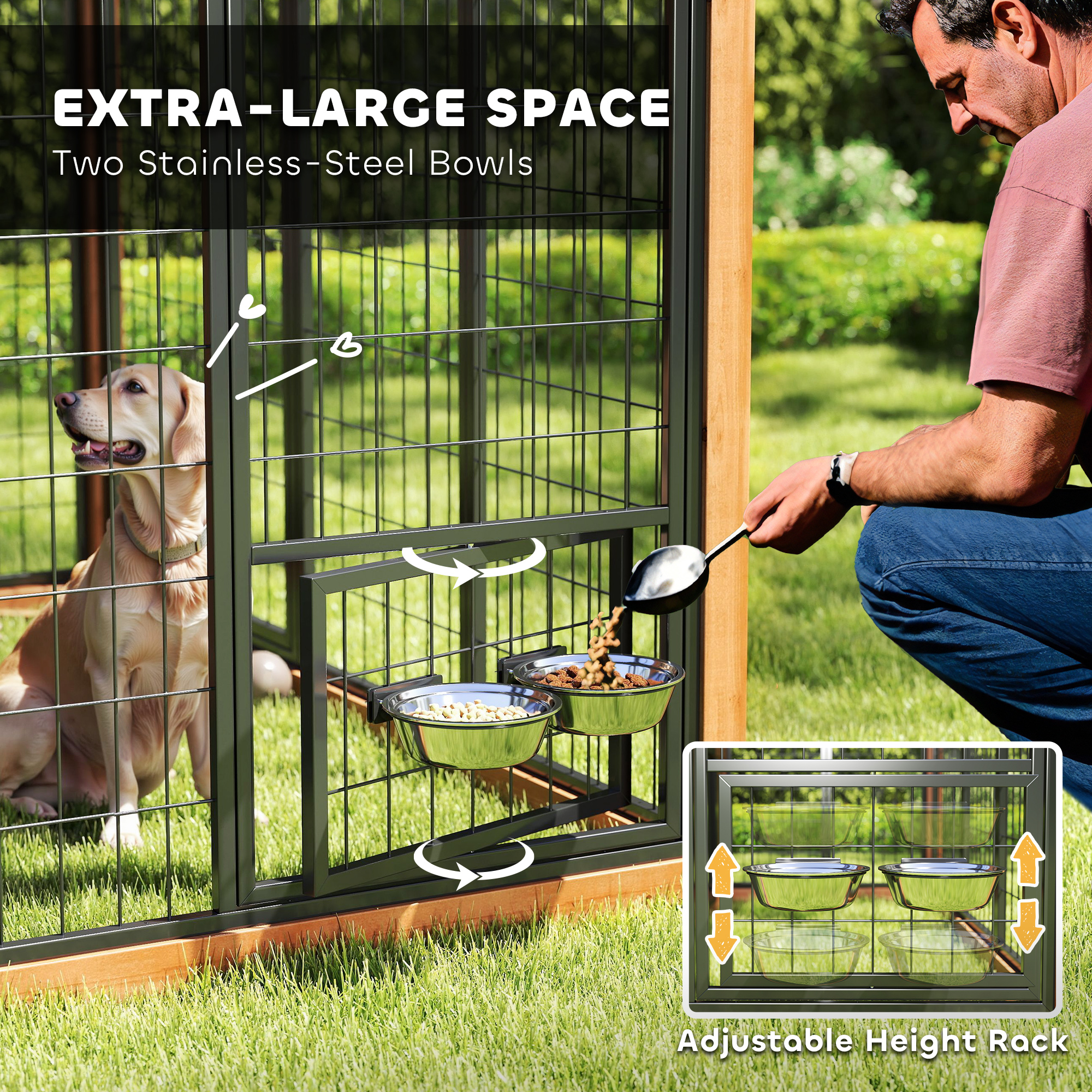
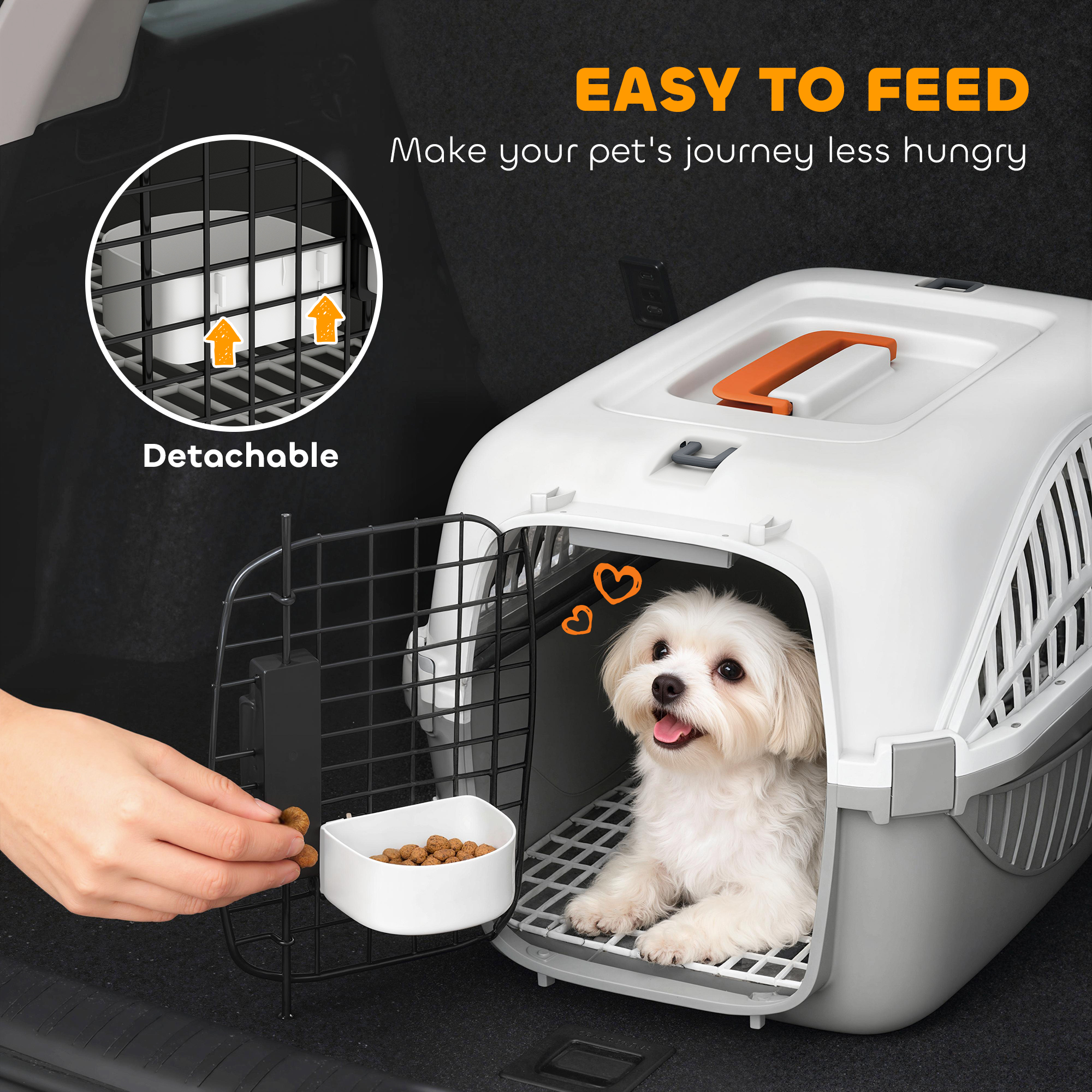
A water bowl if needed
Your dog’s favourite item
Place the cage in a peaceful area where your dog feels relaxed.
Let your dog explore the cage slowly. Keep the door open at first and encourage your dog with treats or praise.
Avoid Common Mistakes
When choosing a dog cage, avoid these common mistakes:
Buying the wrong size
Choosing weak material
Ignoring ventilation
Using the cage as punishment
Keeping the dog inside for too long
Not adding bedding or comfort items
Placing the cage in a noisy or uncomfortable area
A dog cage should be a safe and positive space, not a stressful place for your pet.
Final Thoughts
Choosing the right dog cage depends on your dog’s size, breed, age, behaviour, material needs, and comfort. A well-chosen dog cage gives your pet a safe place to rest, relax, and feel secure.
By selecting the right cage, you can support your dog’s training, improve safety at home, and give your pet a comfortable personal space for daily use.




















 No products in the cart.